Whose Bar Equipment is Best: Krowne vs Perlick vs Glastender
Joel Phillips • January 1, 2000
Whose bar equipment is best? Would you believe that there are only three companies worthy of consideration? If you’re in the market for bar equipment, you might be surprised to know that in my book, there are only three legitimate choices. There’s a lot to know when making a decision to purchase bar equipment, and the information can be overwhelming. My goal is to help you streamline the decision-making process. Later in this article, I’ll tell you my favorite bar equipment company._x000D_
My name is Rick Uzubell and I’m a professional bar designer. I’ve been in this professional practice since 2006 and have worked for some incredible clients. Please allow me to be your personal consultant today._x000D_
_x000D_
_x000D_
_x000D_
_x000D_
_x000D_
How Many Companies Manufacture Bar Equipment in the U.S.?
_x000D_
This is a loaded question, because there are many companies that manufacture bar equipment. However, to those of us who design bars professionally, there are only three companies worthy of consideration. Why? Because according to most insiders, there are only three major players in the bar equipment industry in the U.S. and they are: Glastender, Krowne and Perlick. By now, you must be wondering about all those other names you’ve noticed. Let me explain…_x000D_
_x000D_
_x000D_
_x000D_
_x000D_
_x000D_
_x000D_
_x000D_
_x000D_
_x000D_
_x000D_
_x000D_
_x000D_
_x000D_
_x000D_
_x000D_
_x000D_
_x000D_
_x000D_
_x000D_
_x000D_
_x000D_
_x000D_
_x000D_
_x000D_
_x000D_
_x000D_
FULLY INTEGRATED COMPANIES
_x000D_
You say, ‘Rick, there’s only three major players? Aren’t there other companies that build bar equipment?’ The answer is yes, but with a caveat. While there are many choices, the other companies have limited or specialized product lines. Glastender, Krowne and Perlick are the only bar equipment companies that are fully integrated:_x000D_
_x000D_ They have a comprehensive line of underbar stainless steel products, each fabricates specials, and each offers a comprehensive line of refrigeration products and draft beer systems.
_x000D_
_x000D_
Sure, there are many other companies in this sector, such as AdvanceTabco, Eagle Group, etc., but their product lines are limited, as they don’t offer refrigeration (or have fragmented refrigeration offerings) and draft beer systems and their technology offerings are narrow. Because of these limitations, I don’t normally consider any of these companies for our clients. While we’re at it, let me tell you about a few other popular brands…_x000D_
_x000D_
_x000D_
_x000D_
_x000D_
_x000D_
Other Familiar Bar Equipment Industry Names
_x000D_
For the record, there are several other U.S. bar equipment manufacturers you may have heard of, such as:_x000D_
_x000D_
_x000D_
_x000D_
The above-mentioned companies are among a vast number of bar equipment manufacturers, but they’re all specialty companies, primarily known for their refrigeration products (none of them produce underbar stainless steel products). I don’t specify these refrigeration products, because many models don’t fit the modern 24″ built-in profile I strongly recommend, while others don’t offer low-profile underbar products. I’ve never been inclined to mix-and-match manufacturers of bar equipment products. I want our clients to enjoy the aesthetics offered by a single brand, because I strongly feel that the turnkey solution yields the best overall result. Besides, you’ll likely realize better savings by purchasing your equipment from a single manufacturer._x000D_
_x000D_
_x000D_
_x000D_
_x000D_
_x000D_
_x000D_
_x000D_
_x000D_
_x000D_
_x000D_
_x000D_
WHAT ARE THE MAJOR DIFFERENCES IN QUALITY IN BAR EQUIPMENT?
_x000D_
How does one differentiate quality in bar equipment? As I mentioned earlier, the only fully-integrated bar equipment companies are Glastender, Krowne and Perlick. What sets each apart from the others? I’ll tell you one thing – they all have a wealth of industry experience…_x000D_
What Constitutes Bar Equipment Industry Experience?
_x000D_
In terms of age, all these companies have been in business for generations._x000D_
_x000D_ I don’t place trust in any bar equipment company that’s been in business for less than 10 years.
_x000D_
_x000D_
The above companies are family-owned and have been manufacturing bar equipment for more than 50 years, and all have a presence in every corner of the hospitality industry. Perlick is the oldest – going back to the 1920’s with their beer dispensing products. Krowne was established 75 years ago and Glastender 55 years ago. Each company has gone through growth spurts and have recognized the need to maintain relevance through periodic innovation. However, as with many generations-old companies, some become myopic – losing their vision for necessary, continued growth._x000D_
What Are The Categories of Bar Equipment Products?
_x000D_
When evaluating quality purely on the basis of products, all three companies cover the main categories:_x000D_
_x000D_
Specials - drink rails, special fabrications, etc.
_x000D_
Refrigeration - back bar coolers (reach-in, pass-thru, slide top), under bar low profile, etc.
_x000D_
Draft beer systems - kegerators, air-cooled & glycol-chilled
_x000D_
_x000D_
_x000D_
_x000D_
_x000D_
_x000D_
_x000D_
_x000D_
_x000D_
_x000D_
_x000D_
_x000D_
_x000D_
How do We Evaluate Bar Equipment Manufacturers?
_x000D_
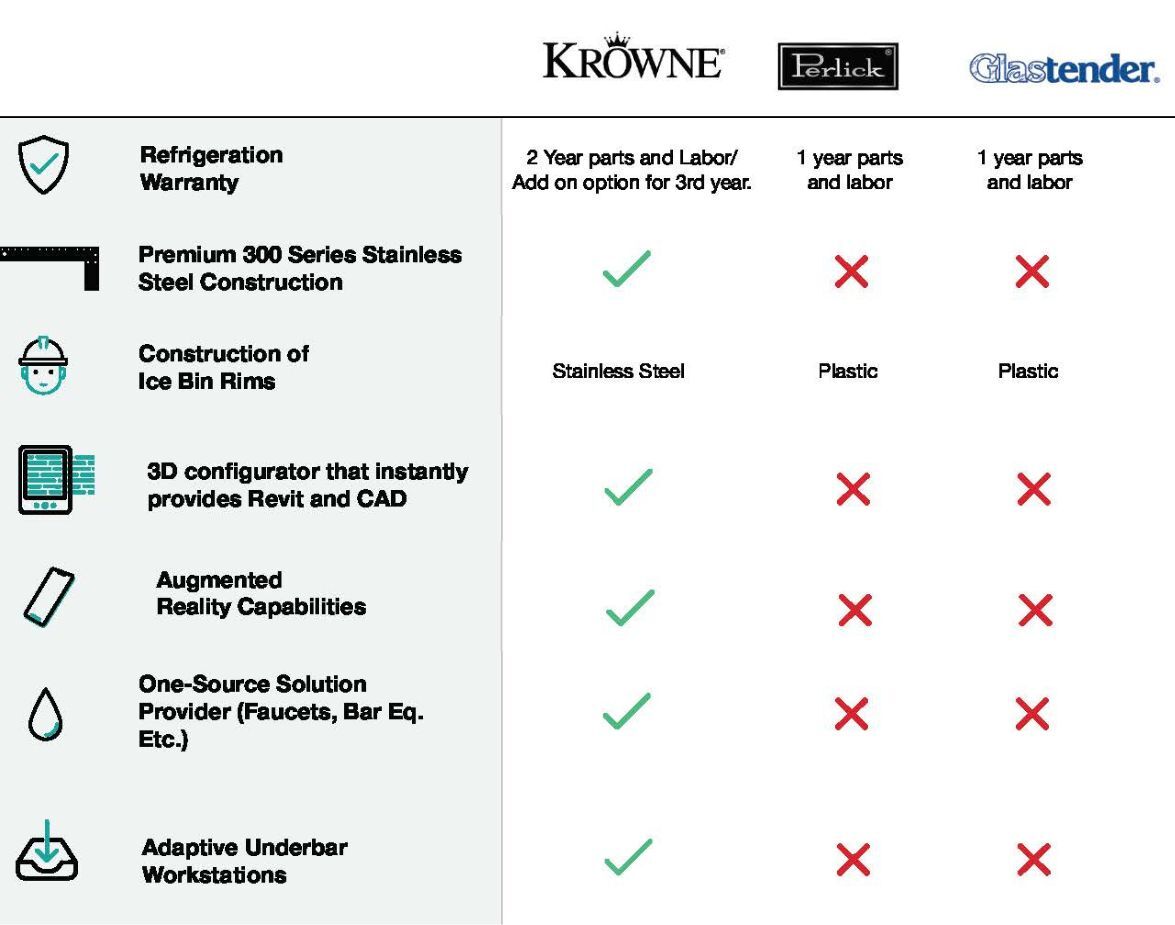
When evaluating which bar equipment manufacturer is best, there’s a bit more to know. Here’s how I break it down. Let’s face it, quality and innovation are the mainstays by which many are judged, no matter the industry. While some companies have established long and solid reputations, resting on one’s laurels isn’t enough for today’s consumers. Companies that continually offer high-quality products, coupled with innovation, enjoy the lion’s share of business. Now let’s take a closer look at how I differentiate these competitors from one another (ref. Figure 1 (below))._x000D_
_x000D_
_x000D_
_x000D_
_x000D_
_x000D_
_x000D_ TABLE 1. A capability comparison between Krowne, Perlick and Glastender
_x000D_
_x000D_
_x000D_
_x000D_
_x000D_
_x000D_
_x000D_
_x000D_
REFRIGERATION WARRANTY
_x000D_
Krowne has clearly given this issue serious thought. Their coolers come with a 2-year warranty on parts and labor, with an option for a third year. When I think of extended warranties, I think of new cars. A manufacturer has to feel very confident in their products to make such a promise to consumers. On the other hand, Perlick and Glastender only offer one year._x000D_
_x000D_
_x000D_
_x000D_
_x000D_
_x000D_
_x000D_
_x000D_
_x000D_
_x000D_
_x000D_
_x000D_
Premium 300 Series Stainless Steel Construction
_x000D_
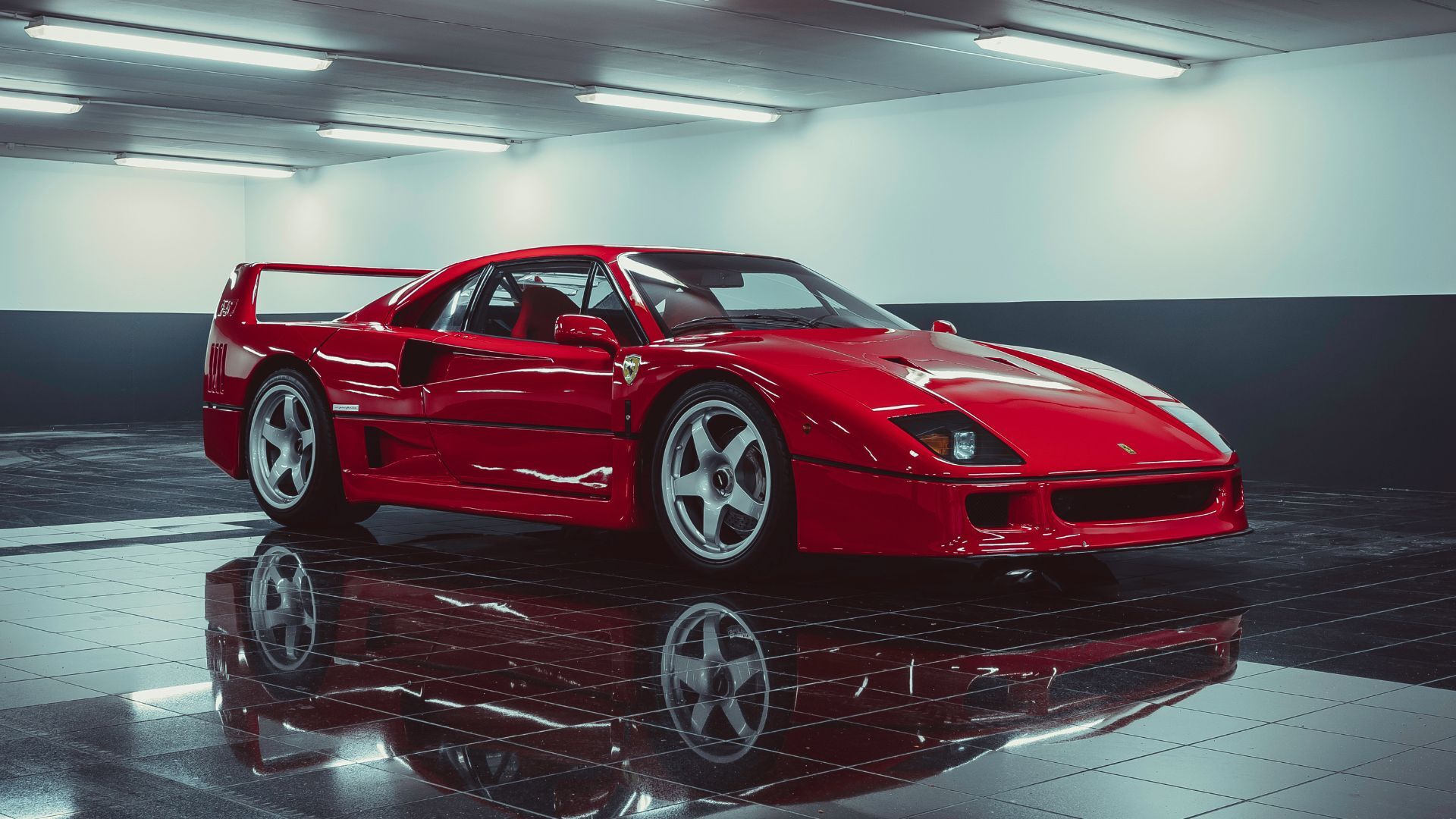
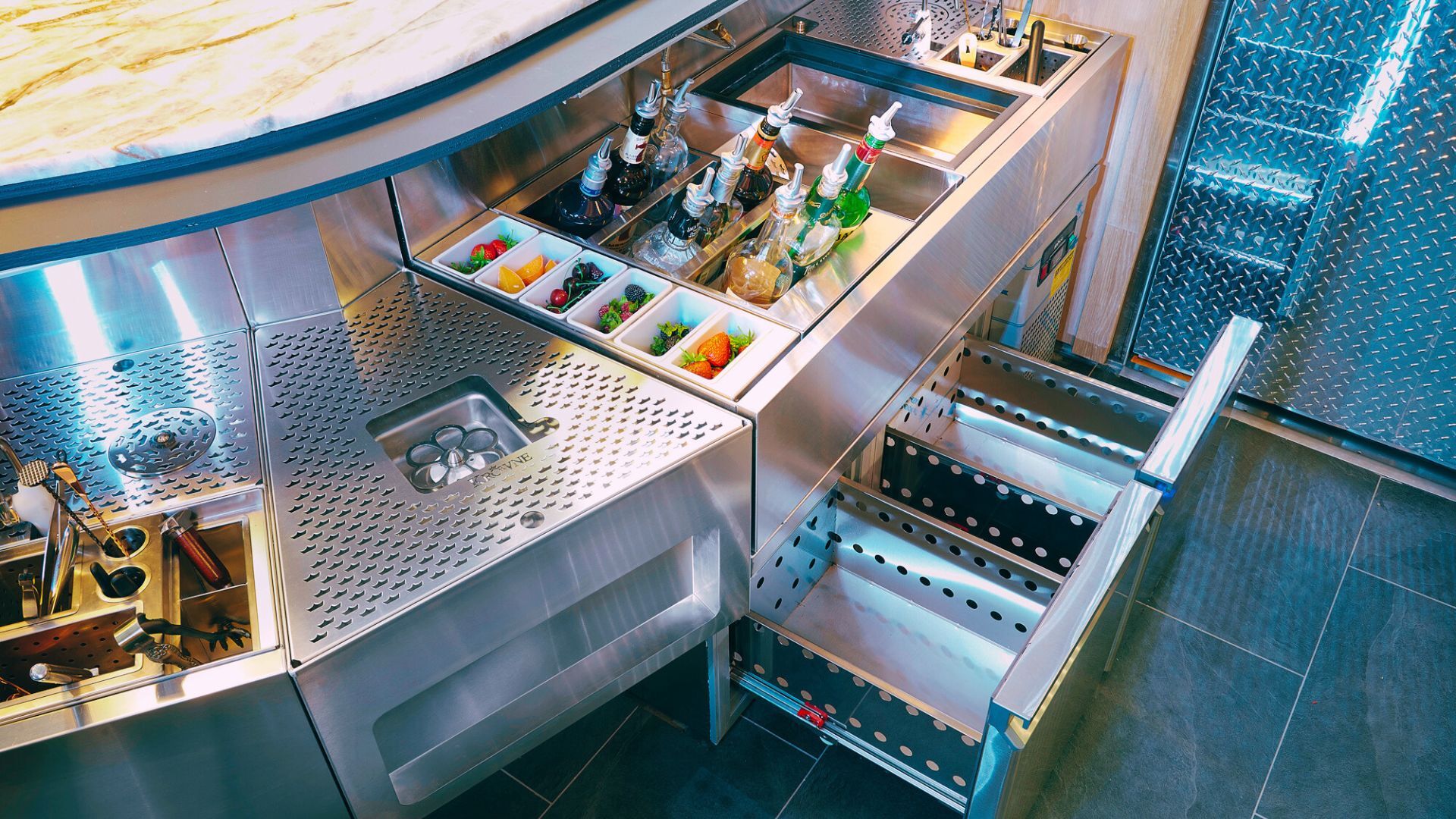
Folks, this is a huge feature to me, because it screams quality. When I saw Krowne’s display at NAFEM 23, I was overwhelmed. It’s difficult to describe what I witnessed, but Krowne’s finish is so superior to that of its competitors’ bar equipment that I can hardly put describe it in words. Let me put it to you this way. If you’ve ever seen a new red Ferrari, it will take your breath away. I had a similar feeling when I saw Krowne’s equipment. Under 3rd-generation owners, Krowne made a bold move a few years ago by upgrading their equipment’s finish to 301 and 304 stainless steel. For those unaware, these are the highest grades featured in the bar equipment industry. They utilize a considerable amount of chromium and nickel, and to an engineer such as myself, I can spot it a mile away. Krowne’s equipment has a bright, buttery-finish._x000D_
LESSER GRADES OF STAINLESS STEEL ARE NO COMPARISON
_x000D_
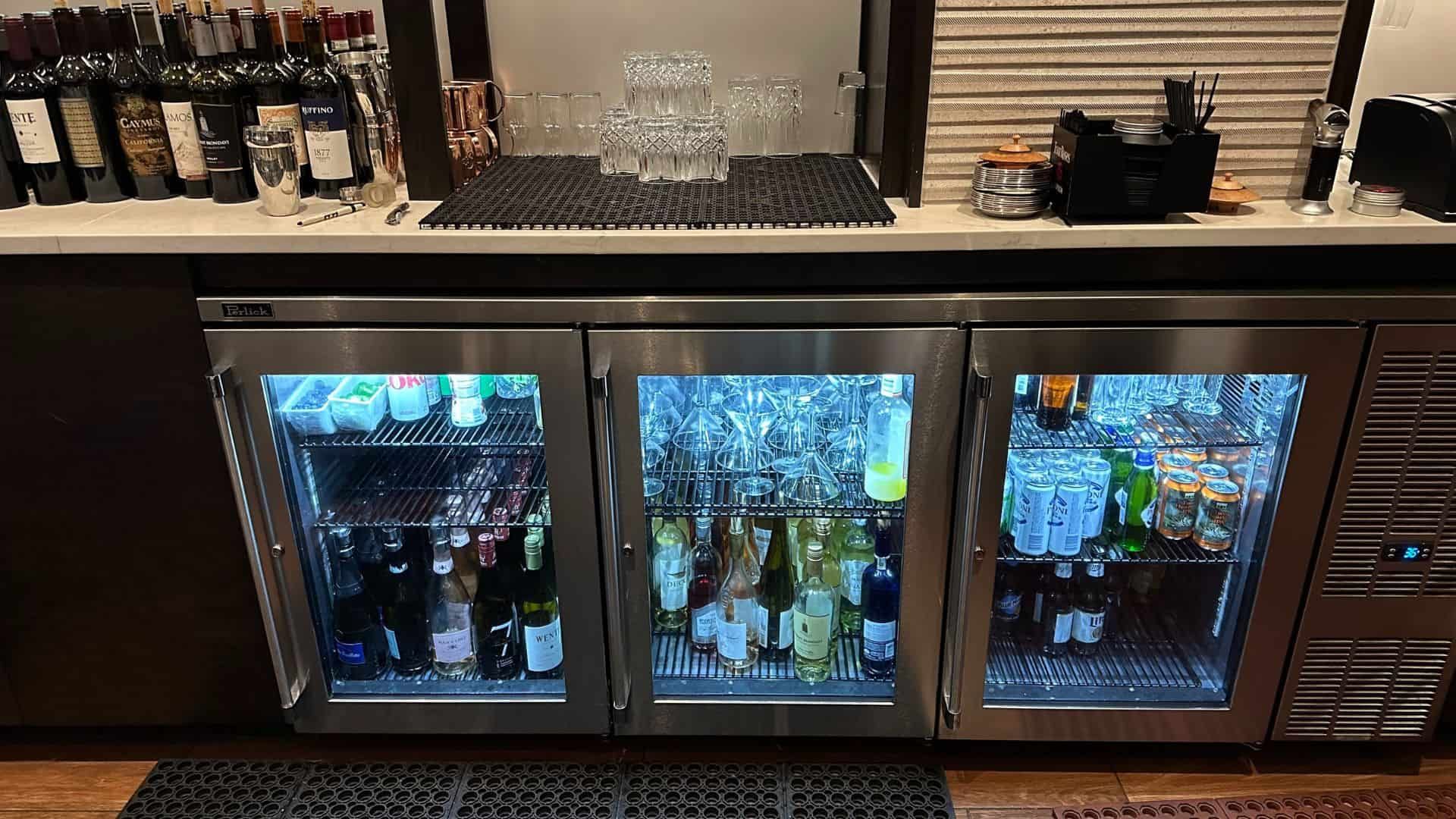
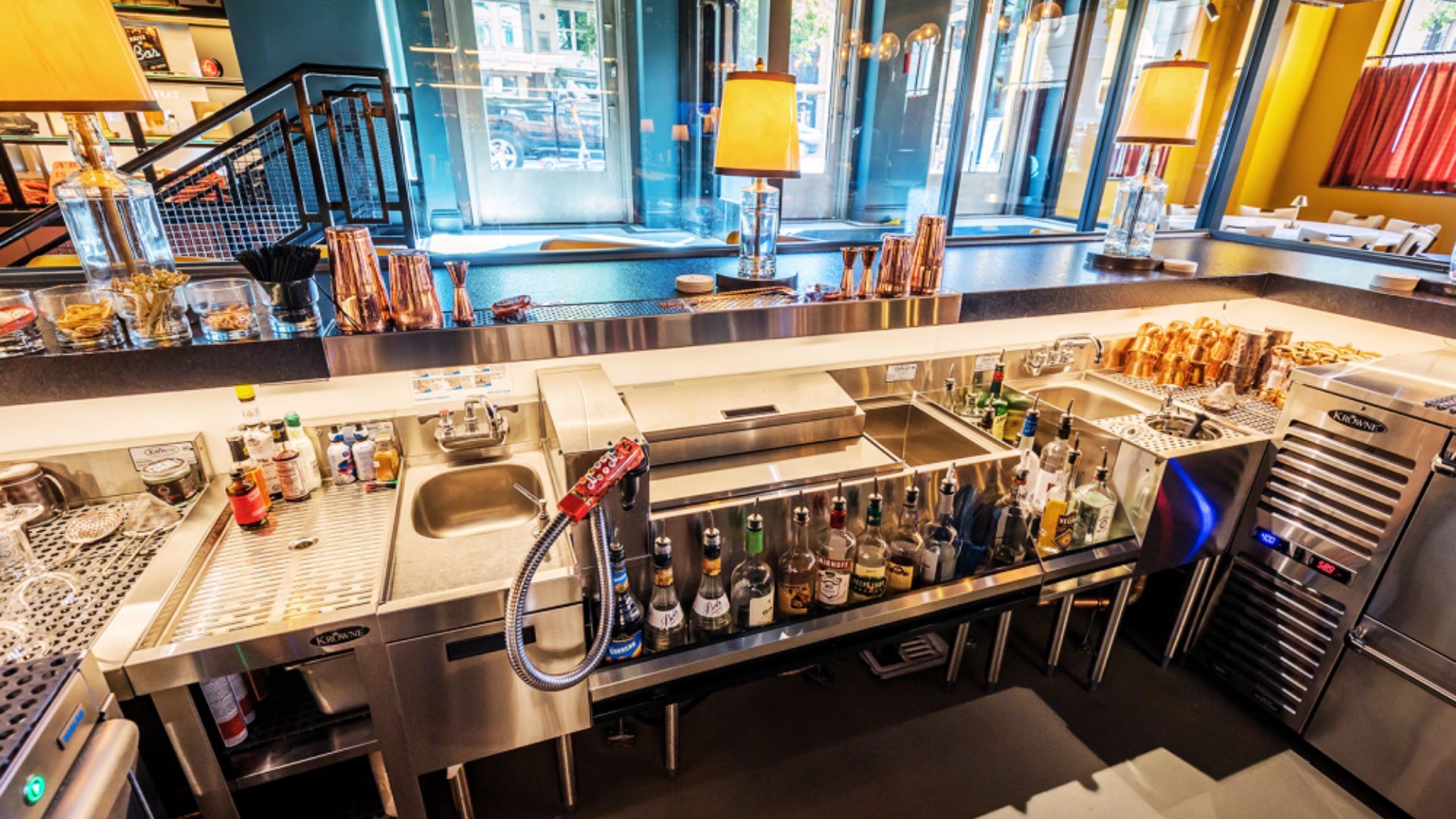
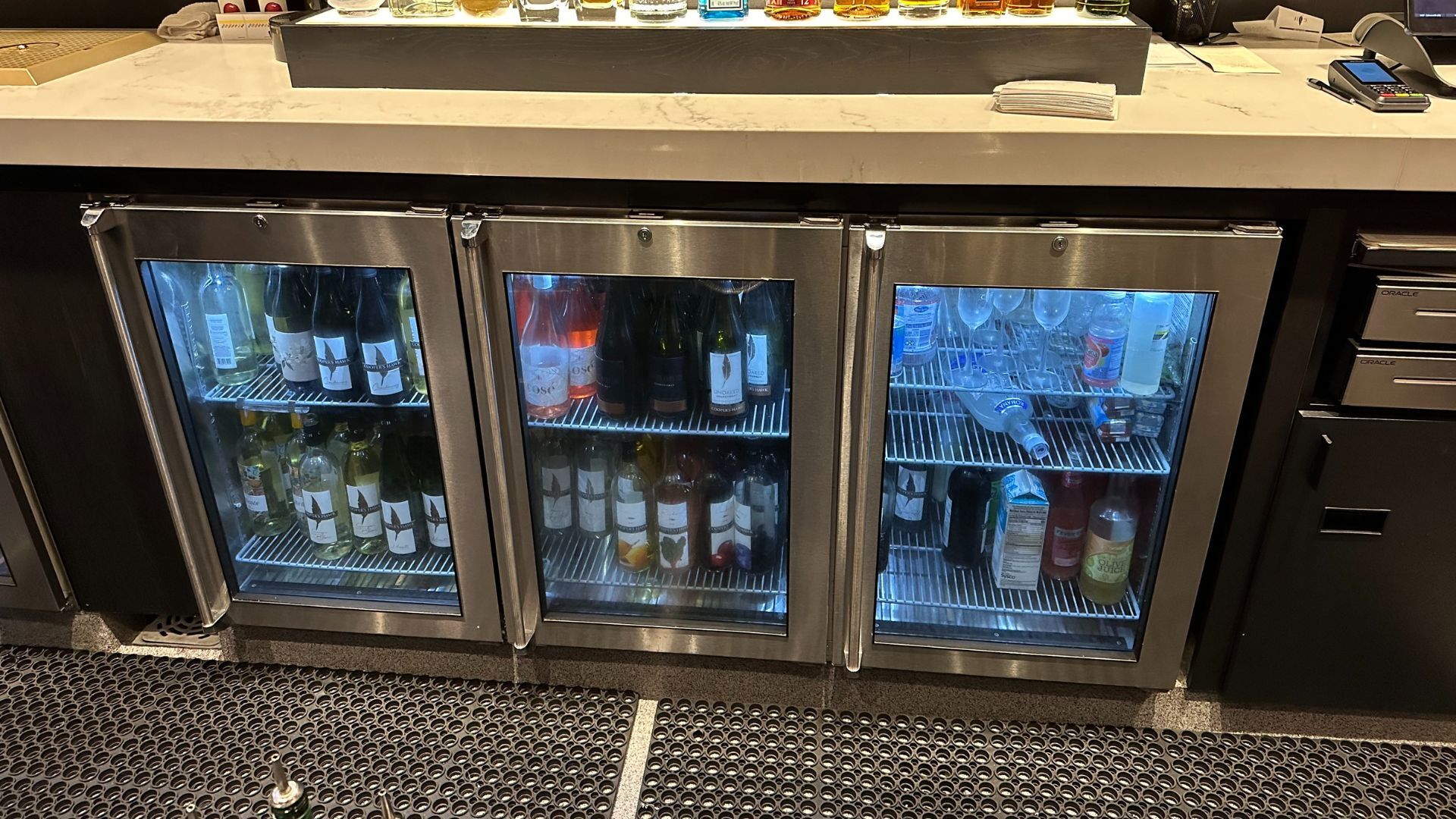
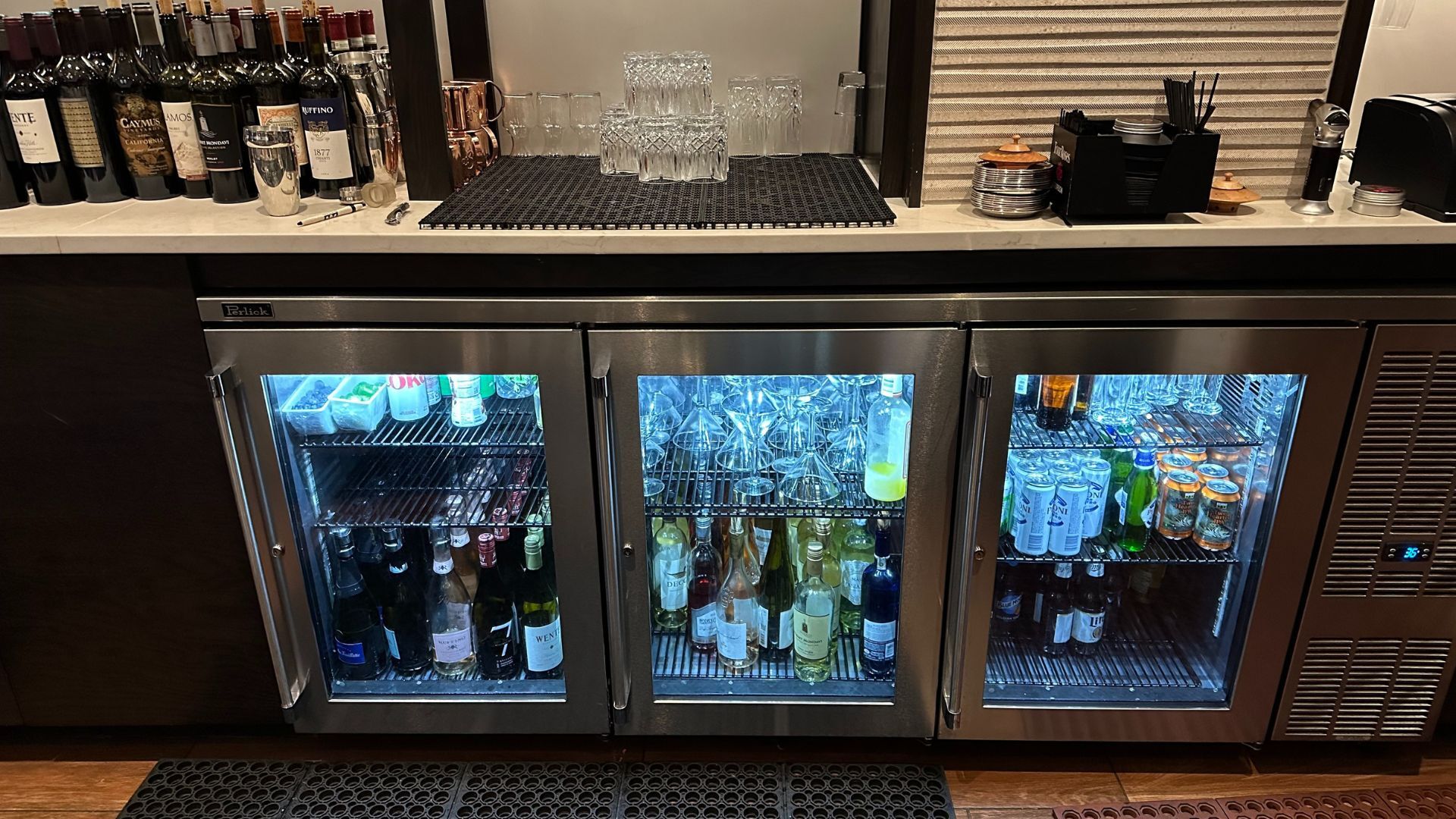
Glastender and Perlick look less polished because they utilize lesser grades of stainless steel. Notice the differences in the equipment shown in Figures 2, 3 & 4 (below) – the Glastender and Perlick products are new installations – theirs are no comparison to Krowne!
I encourage you to review the downloadable below to understand the differences in stainless steel grades._x000D_
_x000D_
_x000D_
_x000D_
_x000D_
_x000D_
_x000D_
_x000D_
_x000D_
_x000D_
_x000D_
_x000D_
FIGURE 2. Glastender Stainless and Glass Back Bar Cooler
FIGURE 4. Perlick Stainless Steel and Glass Back Bar Cooler
_x000D_
_x000D_
_x000D_
_x000D_
_x000D_
_x000D_
CONSTRUCTION OF ICE BIN RIMS
_x000D_
Many are unaware of this feature, but Krowne is the only major bar equipment company that features stainless steel rims with their ice bins. Why is this important, you ask? Because ice bin rims fabricated from stainless steel will not fracture when heavy objects are placed on the sliding lids (ref. Figure 5, below), and bartenders and bar backs do this all the time._x000D_
_x000D_ Perlick and Glastender ice bins suffer many cracked and broken rims because they use plastic!
_x000D_
_x000D_
Who wants to repair their brand new ice bins? This problem is avoidable, my friends._x000D_
_x000D_
_x000D_
_x000D_
_x000D_
_x000D_
_x000D_ FIGURE 5. Krowne ice bin with stainless steel rim.
_x000D_
_x000D_
_x000D_
_x000D_
_x000D_
_x000D_
_x000D_
_x000D_
3 D CONFIGURATION AND AUGMENTED REALITY CAPABILITIES
_x000D_
This is where things become more interesting. Krowne offers an entire suite
of 3D configurators, which includes their “FaucetFlex” (for faucets), “FridgeFlex” (refrigeration), “BeerFlex” (draft beer) and “BarFlexPro” (underbar equipment). Krowne has packed many benefits into these configurators to efficiently move the user through the design and quotation process:_x000D_
KROWNE’S 3D CONFIGURATORS FEATURE AUGMENTED REALITY (AR)
_x000D_
_x000D_
Most of the above suite components feature augmented reality (AR), so users are able to instantly see their respective future bars come to life.
_x000D_
_x000D_
INSTANT QUOTES
_x000D_
_x000D_
For dealers, Krowne’s 3D configurators will provide you with an instant quote from AutoQuotes!
_x000D_
_x000D_
3D MODELS WITH ENDURING VALUE
_x000D_
_x000D_
The associated models are quickly converted to a functional
Revit or CAD file. This is a huge time-saver!
_x000D_
Glastender has a simple 3D tool on their website, but it doesn’t serve any enduring purpose. The user still has to employ his/her software to build their entire project before soliciting quotes – the old fashion way._x000D_
PERLICK
_x000D_
Perlick has yet to offer any 3D modeling features._x000D_
ONE-SOURCE BAR EQUIPMENT SOLUTION PROVIDER
_x000D_
As mentioned earlier, Glastender, Krowne and Perlick offer stainless steel underbar equipment, refrigeration and draft beer systems. However, Krowne is the only competitor that offers a full array of faucets – including electronic faucets. That’s because Krowne created a full-fledged plumbing division in 1994 in order to cross-sell other related high-quality products to their customers. Their product offering also includes faucets for commercial kitchens. Learn more about Krowne’s faucet portfolio in the video below._x000D_
_x000D_
_x000D_
_x000D_
_x000D_
CUTTING EDGE INNOVATION WITH ADAPTIVE WORK STATIONS
_x000D_
Earlier in 2024, Krowne announced its release of a ground-breaking work station – its “MoveWell Adaptive Work Station”. As I covered in an earlier article
, Krowne created this ultimate bartender station that enables one to reconfigure the station’s components on-the-fly. For example, the MoveWell adaptive work station is especially beneficial to hotel lobby bars, that need the flexibility of being a coffee bar in the early morning hours. Currently available with 10 standard inserts and a 48″ platform, MoveWell offers up to 140 unique combinations._x000D_
_x000D_
Learn how architecture, engineering, and construction firms hire remote professionals, choose nearshore or offshore talent, and keep control of the work.

 _x000D_
 _x000D_
 _x000D_
 _x000D_
 _x000D_
 _x000D_
 _x000D_