
Millwork vs Casework: Understanding the Key Differences for Your Next Project
Joel Phillips • January 1, 2000
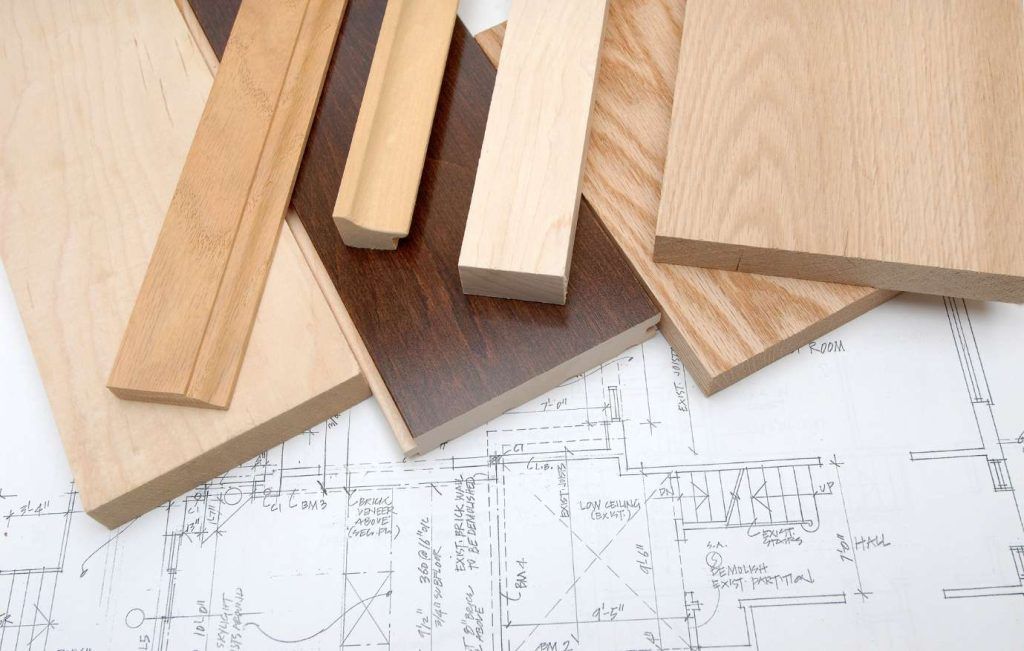
What is Millwork?
Characteristics of Millwork
- _x000D_
- Customization : Millwork is highly customizable. Each piece is designed to fit the specific measurements and style of a space. _x000D_
- Materials : Typically made from high-quality woods, millwork pieces are often more durable and aesthetically pleasing. _x000D_
- Installation : Because millwork is custom-made, it usually requires professional installation to ensure a perfect fit. _x000D_
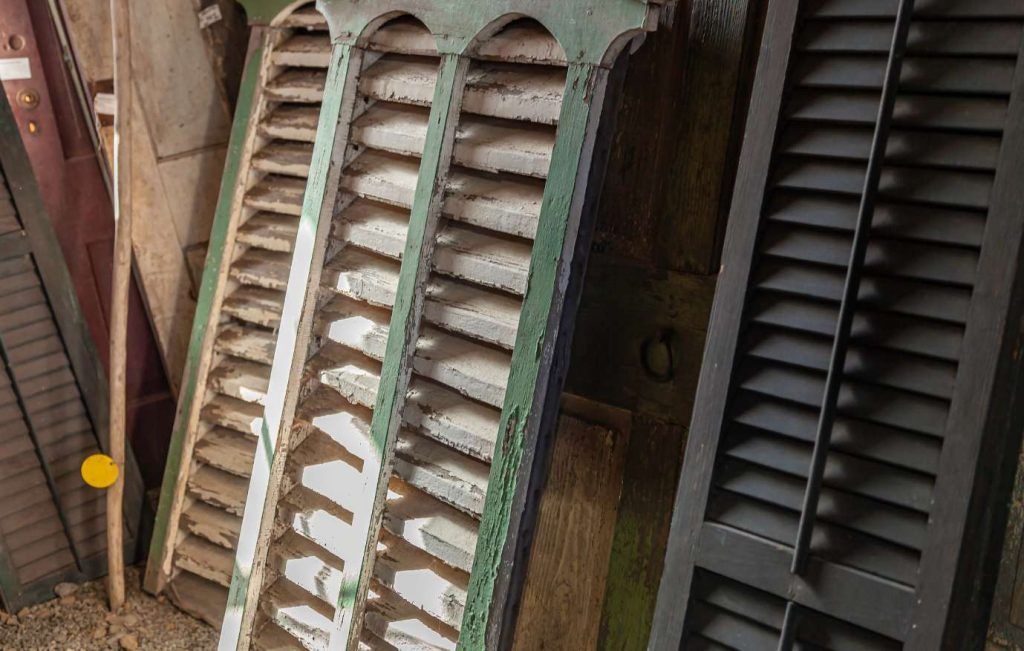
What is Casework?
Characteristics of Casework
- _x000D_
- Standardization : Casework components are standardized, which means they come in predetermined sizes and shapes. _x000D_
- Materials : While casework can be made from wood, it often includes other materials like laminates and veneers. _x000D_
- Installation : Easier and quicker to install than millwork, casework can often be assembled and installed by less specialized labor. _x000D_
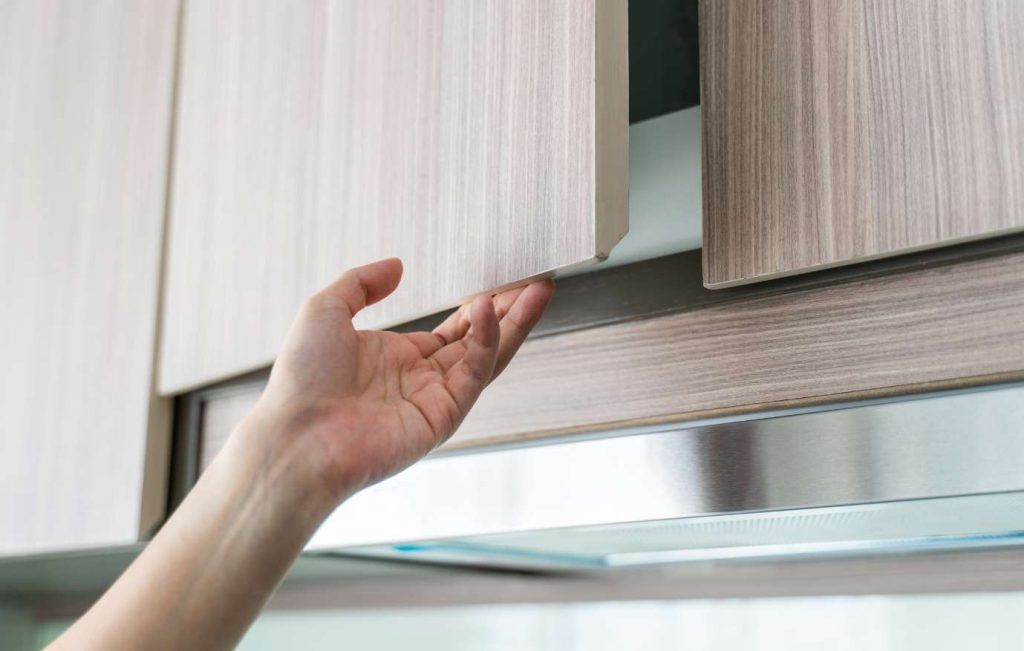
Architectural Millwork vs. Millwork
Differences Between Architectural Millwork and Standard Millwork
- _x000D_
- Design Complexity : Architectural millwork features more intricate designs compared to standard millwork. _x000D_
- Purpose : While standard millwork serves functional purposes, architectural millwork is often used to enhance the visual appeal of a space. _x000D_
Reasons to Consider Modular Casework Before Millwork
- _x000D_
- Cost : Modular casework is generally less expensive than custom millwork, making it a budget-friendly option. _x000D_
- Flexibility : It can be easily reconfigured or replaced, providing flexibility for future changes or renovations. _x000D_
- Speed : Prefabricated components can significantly reduce the time required for installation. _x000D_
Conclusion

Learn how architecture, engineering, and construction firms hire remote professionals, choose nearshore or offshore talent, and keep control of the work.

Outsourcing, EOR, PEO, and staffing overlap and confuse AEC firms. Here is what each term actually means for your business.
See how ADDMORE turns 3Dmodels into photorealistic renderings and virtual fly-throughs that speed up approvals and client buy-in.