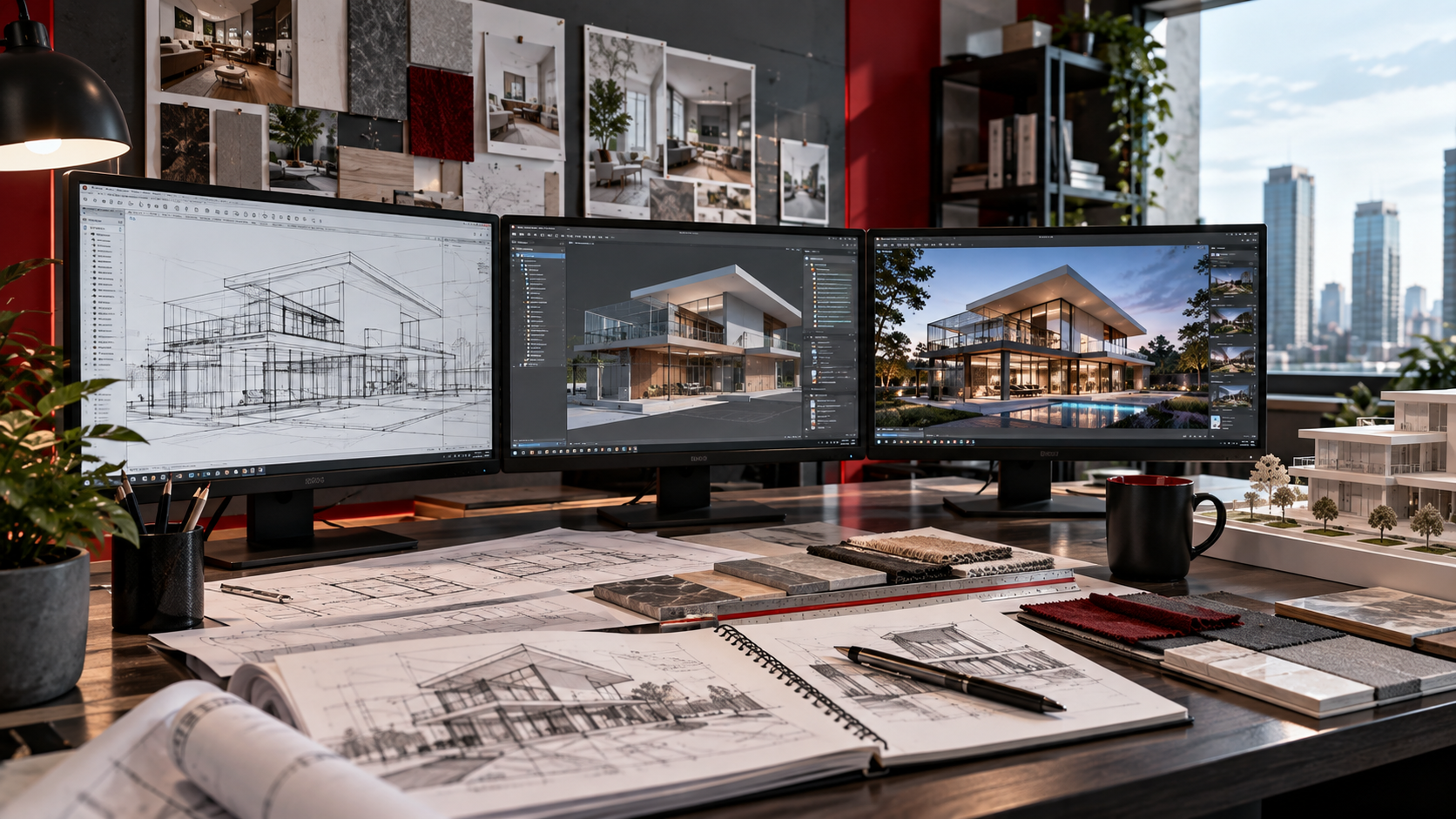
Enhancing Restaurant Concepts with 3D Rendering

Joel Phillips • July 3, 2024

In the dynamic world of restaurant design and construction, conveying the vision of a concept to investors and acquiring permits can be a daunting task. Traditional drawings and sketches often fall short in capturing the essence and potential of a restaurant space. However, with the advent of 3D rendering technology, restaurateurs now have a powerful tool at their disposal to bring their concepts to life in stunning detail.


Introduction

Picture this: You’ve spent months crafting the perfect concept for your dream restaurant. From the menu to the ambiance, every detail has been meticulously planned. Yet, when it comes to presenting your vision to investors or obtaining construction permits, traditional drawings and sketches may not do justice to your concept. This is where the power of 3D rendering comes into play.


Utilizing 3D Rendering Services

When it comes to bringing restaurant concepts to life, 3D rendering services offer a game-changing solution. By providing references, measurements, and leveraging ready-made assets, restaurateurs can streamline the visualization process, saving both time and resources without compromising on quality.


Workflow and Process:

The journey of transforming a concept into a photorealistic rendering involves several key stages. From initial 3D modeling to texture application, lighting setup, and post-production adjustments, every detail is meticulously crafted to ensure the final render accurately reflects the vision of the concept. Throughout this process, client approval and feedback play a pivotal role in shaping the final outcome.


Success and Outcome:

The success stories of restaurants brought to life through CGI visualization are truly inspiring. From securing project approvals to captivating potential investors, the impact of 3D rendering cannot be understated. As readers explore restaurants that have benefited from CGI visualization, they’ll witness firsthand the transformative power of this technology.


Advantages of CGI for Restaurant Projects:

The advantages of CGI for restaurant projects are abundant. From presenting concepts to investors with confidence to offering future guests a glimpse into the dining experience, 3D rendering has become an indispensable tool in the arsenal of restaurateurs. By outsourcing rendering tasks to professional studios, restaurateurs can unlock a world of possibilities and elevate their concepts to new heights.


Conclusion

The utilization of 3D rendering services has revolutionized the way restaurant concepts are presented and realized. With its ability to convey the essence of a concept in vivid detail, CGI has become an invaluable asset for restaurateurs worldwide. As the industry continues to evolve, embracing the power of CGI is essential for those looking to stay ahead of the curve and bring their culinary visions to life in breathtaking fashion.


As you embark on your restaurant journey, consider the transformative potential of 3D rendering. With the right partner by your side, the possibilities are truly endless.


In line with the transformative potential of 3D rendering technology in the restaurant industry, ADDMORE Services is proud to introduce its latest offering: F&B Consultancy and Design. Leveraging our expertise in architecture, engineering, and construction, coupled with innovative 3D rendering capabilities, we empower restaurateurs to bring their culinary visions to life with unparalleled precision and clarity. Our team of experienced consultants and designers works closely with clients to conceptualize, design, and execute restaurant projects that captivate both investors and guests alike. From concept development to interior design, branding, and beyond, we offer comprehensive solutions tailored to meet the unique needs of each project. With ADDMORE Services’ F&B Consultancy and Design, restaurateurs can embark on their culinary ventures with confidence, knowing that their vision will be realized in stunning detail, thanks to cutting-edge 3D rendering technology.
June 2, 2026
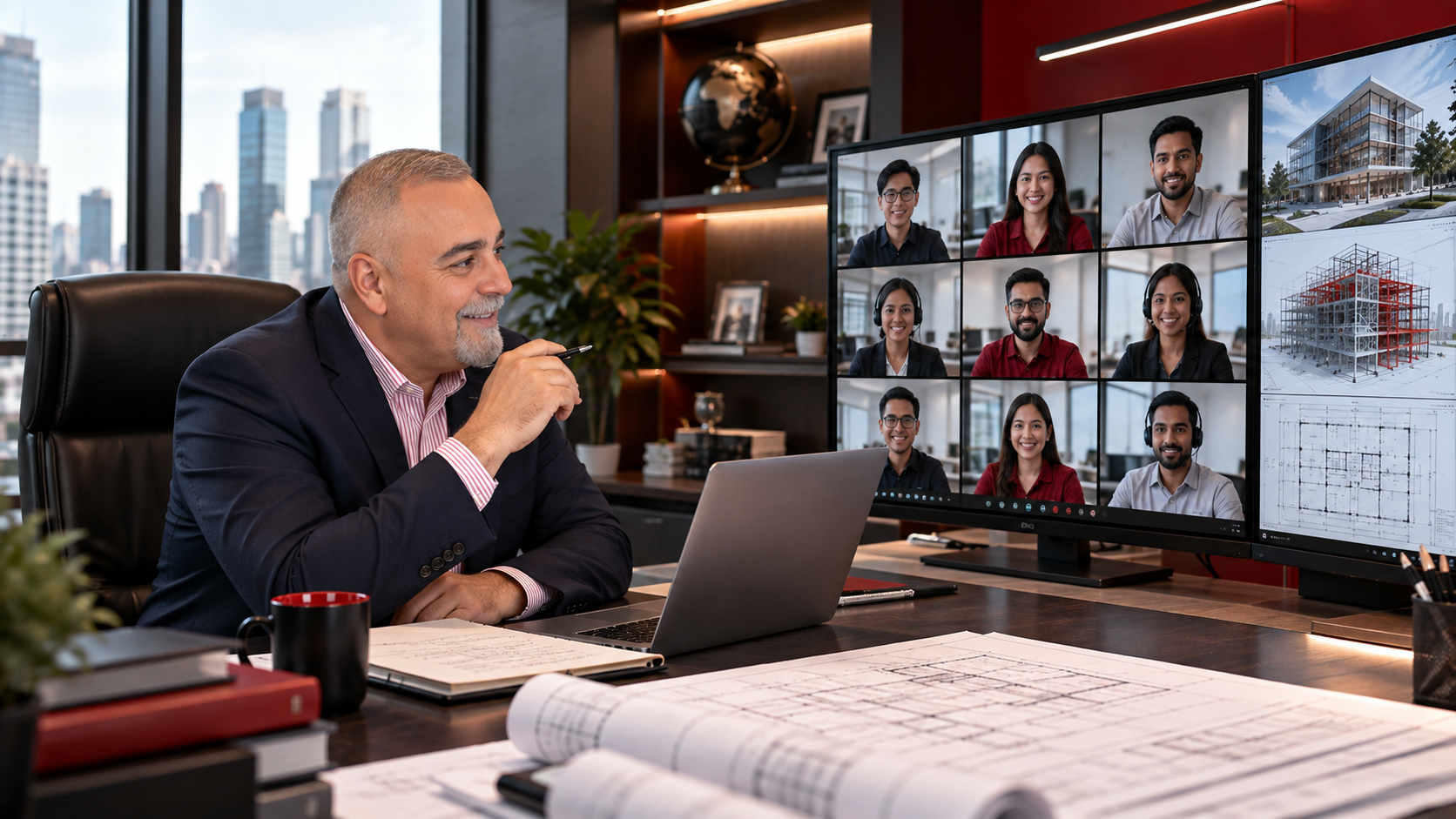
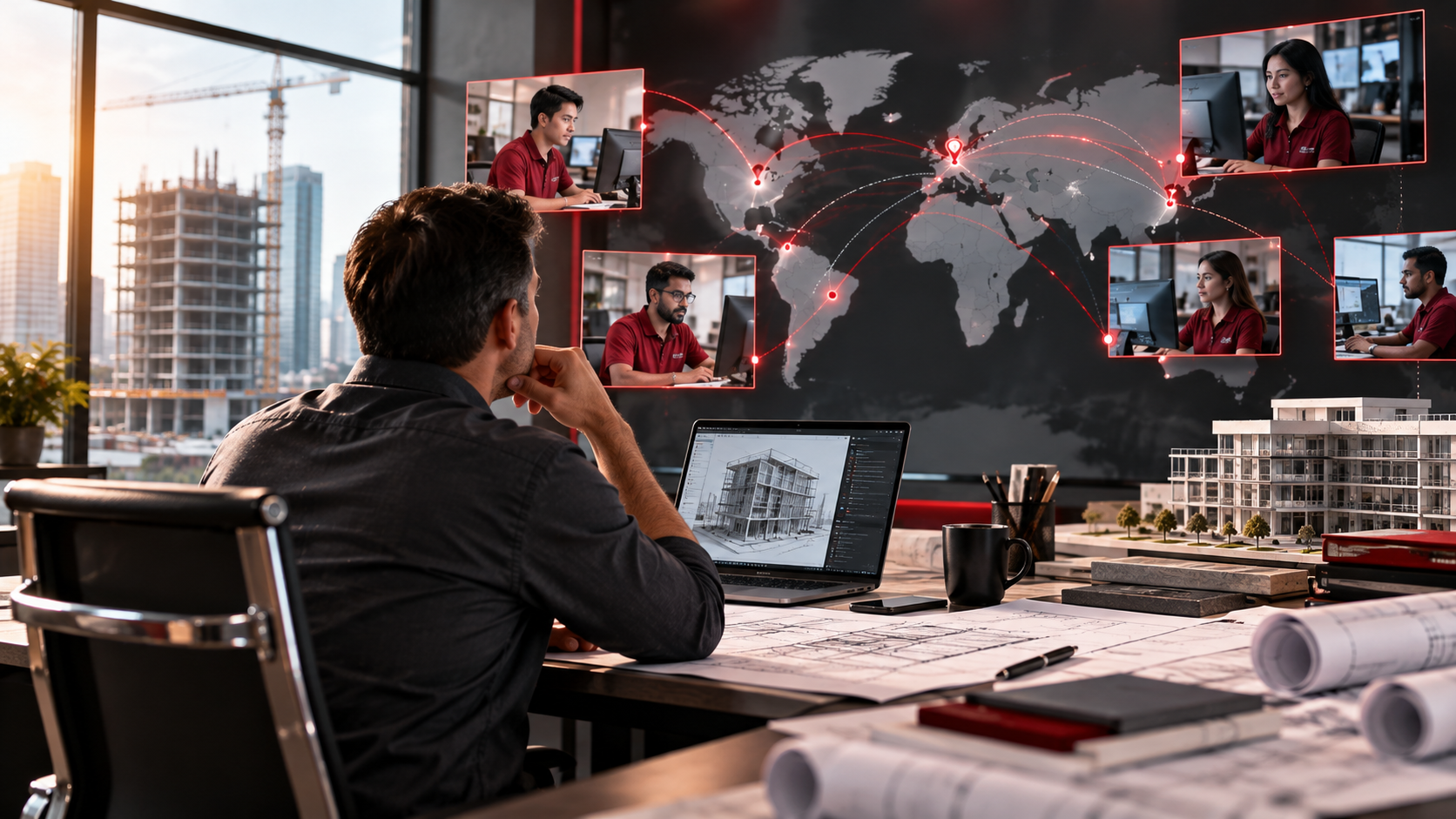
There is a moment in nearly every construction project where uncertainty quietly enters the conversation. A client looks at a technical drawing and struggles to imagine the finished space. An investor questions whether the design vision can truly translate into commercial value. A planning board hesitates because the proposal still feels abstract. Contractors interpret details differently. Stakeholders approve concepts without fully seeing what they are committing to. This is where architectural renderings become far more than visual enhancements. Modern renderings have evolved into strategic communication tools that help project teams secure approvals, win bids, attract investors, and align stakeholders long before construction begins. They bridge the gap between technical intent and human understanding. More importantly, they reduce friction during decision-making. In an industry where confidence can determine whether a project moves forward or stalls, visual clarity has become a competitive advantage. Why Visualization Matters More Than Ever Construction projects have become increasingly complex. Owners expect faster timelines, investors demand clearer projections, and clients want greater involvement in the design process. Traditional 2D drawings remain essential, but they are often insufficient for communicating the emotional and functional experience of a space. Renderings solve this challenge by transforming technical information into something accessible and persuasive. Instead of asking stakeholders to interpret elevations, sections, and material schedules independently, renderings allow them to experience the vision before a single material is ordered or installed. This shift changes conversations significantly. Projects move from "What will this look like?" to "How do we optimize this further?" That difference can save time, prevent redesign cycles, and improve project outcomes. The Competitive Edge in Winning Bids Construction and development proposals are highly competitive. Firms are not only evaluated on pricing and capability but also on how effectively they communicate their vision. A detailed rendering can immediately separate one proposal from another. When clients review competing bids, visuals help them understand scope, quality, atmosphere, and usability. A technically strong proposal may still lose momentum if decision-makers cannot emotionally connect with the concept. Renderings create that connection. They communicate professionalism, preparedness, and confidence. They demonstrate that the project team has thought through design intent, spatial relationships, finishes, lighting, and user experience. For developers and contractors pursuing high-value opportunities, visualization often becomes a silent differentiator. Improving Stakeholder Alignment Misalignment is one of the most expensive risks in construction. Architects, engineers, consultants, contractors, owners, and end users may all interpret drawings differently. Even minor misunderstandings can result in delays, RFIs, rework, or budget increases. Visualization minimizes ambiguity. Photorealistic renderings and coordinated BIM-supported models provide a shared visual reference for everyone involved in the project lifecycle. Stakeholders gain a clearer understanding of scale, circulation, finishes, and design intent. This improves communication across disciplines and supports more productive collaboration during pre-construction. Teams that establish alignment early are typically better positioned to maintain schedule integrity and budget control later in the project. Supporting Faster Approvals Planning boards, municipalities, investors, and regulatory bodies are frequently tasked with reviewing large amounts of technical documentation within limited timeframes. Technical drawings alone may not fully communicate the project’s impact or design quality. Renderings help reviewers quickly understand: Site integration Building massing Public-facing aesthetics Material intent Environmental context User experience This can significantly improve presentation effectiveness during approvals and stakeholder reviews. For hospitality, commercial, mixed-use, and residential developments, visualization often becomes one of the strongest tools for gaining early project buy-in. Investor Confidence Begins with Clarity Investors evaluate more than design quality. They evaluate risk. The clearer a project appears during the pre-construction phase, the easier it becomes for investors to understand the opportunity and feel confident about execution. Renderings support investor presentations by helping communicate: Brand identity Market positioning Spatial experience Commercial appeal Customer experience potential Operational functionality A compelling rendering can transform an abstract concept into something tangible and commercially believable. This is particularly important in hospitality and experiential projects where atmosphere and user perception directly influence revenue potential. The Relationship Between BIM and Visualization  The strongest visualization workflows are not isolated from technical production. They are integrated into the broader project delivery process. That is where BIM and coordinated modeling become especially valuable. When visualization is supported by BIM workflows, project teams gain greater consistency between design intent and constructability. Models can support clash detection, coordination reviews, shop drawing development, and construction sequencing while also generating highly accurate visual outputs. This integrated approach improves both presentation quality and project coordination. At ADDMORE Services, visualization is approached as part of a larger technical ecosystem rather than a standalone creative exercise. The company supports global AEC firms through architectural drafting, BIM, rendering services, quantity takeoffs, project management support, MEP coordination, and construction documentation. Their offshore outsourcing model allows firms to scale technical production efficiently while maintaining quality control and operational flexibility. Rather than simply producing attractive imagery, the focus is placed on creating visuals that support real project delivery objectives. Visualization as a Communication Tool One of the most overlooked benefits of renderings is their ability to improve communication with non-technical audiences. Not every stakeholder has experience reading architectural documentation. Clients, investors, community representatives, and end users often respond more effectively to visuals than technical drawings. Renderings simplify complex discussions without oversimplifying the project itself. This creates more productive conversations around: Design intent User experience Material selections Branding opportunities Operational flow Future development potential The result is stronger engagement and better-informed decision-making. Reducing Costly Changes Later Late-stage revisions are expensive. When stakeholders cannot fully visualize the final outcome early in the process, concerns often emerge after construction documentation is completed or after construction has already begun. Renderings reduce this risk by helping teams identify concerns sooner. Clients can review layouts, finishes, lighting conditions, circulation, and aesthetics earlier in the process. Design refinements happen before they become costly field modifications. This proactive approach contributes to smoother project execution and stronger client satisfaction. The Future of Architectural Presentation The role of visualization continues to evolve rapidly. Interactive walkthroughs, immersive experiences, real-time rendering, and AI-assisted visualization technologies are reshaping how projects are communicated and evaluated. Yet the core objective remains unchanged. People need confidence before they commit resources, approvals, or investment. Renderings help provide that confidence. As competition increases across the AEC industry, firms that communicate clearly and visually will continue to gain an advantage in winning projects and building stronger client relationships. Final Thoughts Architectural renderings are no longer optional presentation extras. They are strategic assets that influence approvals, strengthen collaboration, improve stakeholder confidence, and support better project outcomes. The ability to communicate a project clearly before construction begins has become one of the most valuable advantages in modern project delivery. For firms navigating complex timelines, demanding stakeholders, and increasingly competitive markets, visualization is not simply about making projects look impressive. It is about helping projects move forward with clarity and confidence. If your team is looking for reliable support in architectural drafting, BIM coordination, rendering services, construction documentation, or project-specific offshore outsourcing, ADDMORE Services provides scalable technical solutions tailored to the evolving needs of the AEC industry. Contact us for a free consultation and discover how the right technical partner can help strengthen your project delivery workflow while maintaining quality, coordination, and efficiency.
May 25, 2026
Discover why accurate as-built drawings are essential for facility management, renovations, maintenance efficiency, and long-term operational success.
Intelligent resourcing and offshore technical support for scalable AEC project delivery
May 19, 2026
Discover how intelligent resourcing helps AEC firms scale project delivery, improve efficiency, and access global technical talent.