Krowne Launches Revolutionary Adaptive Bar Stations
Joel Phillips • January 1, 2000
_x000D_
_x000D_
_x000D_
_x000D_
_x000D_
_x000D_
_x000D_
_x000D_
_x000D_
The History of Predesigned Bar Stations
_x000D_
Over the years, many bar equipment manufacturers have attempted to take the thinking out of the complicated bar design process by marketing predesigned bar stations, packaged with common components, such as ice bins, garnish stations, speed racks, dump sinks, margarita rimmers, etc. The trouble with this concept is that it isn’t customizable. In fact, I never specify predesigned bar stations because they’ve never worked for me! Why? Because they lack the flexibility I need as a professional bar designer. What if I told you about a new product, called an adaptive bar station?
Imagine, if you will, owning a bar station that provides the flexibility restaurant and bar owners long for: to be able to change their stations’ configurations on-the-fly – flexibility the industry has never seen!
At last, there is such a product today, and I’m going to tell you all about it._x000D_
_x000D_
_x000D_
_x000D_
_x000D_
_x000D_
MoveWell – the Fully-Customizable Bar Station
_x000D_
As I’ve written previously, the goal of sound ergonomic bar design
is to minimize the bartender’s universe, so the majority of the their movement is within a narrow zone comprised of these very components. Industry leader, Krowne, recently developed an alternative solution to the aforementioned predesigned bartender stations
– a revolutionary flexible, customizable platform
they call “MoveWell”, that includes interchangeable components known as “inserts”. As you’re about to learn, the engineering required to develop this ground-breaking product was something only Krowne could execute._x000D_
_x000D_
_x000D_
_x000D_
_x000D_
_x000D_
_x000D_
_x000D_
_x000D_
_x000D_
_x000D_
_x000D_
_x000D_
_x000D_
_x000D_
_x000D_
_x000D_
_x000D_
MoveWell – As Easy as 1-2-3!
_x000D_
_x000D_
_x000D_
_x000D_
_x000D_
_x000D_
_x000D_
_x000D_
_x000D_
_x000D_
_x000D_
_x000D_
_x000D_
_x000D_
_x000D_
_x000D_
_x000D_
_x000D_
_x000D_
_x000D_
_x000D_
_x000D_
_x000D_
_x000D_
_x000D_ Krowne’s MoveWell Adaptive Bar Station is the ONLY flexible product on the market: it’s customizable on-demand!
MoveWell consists of a base unit with universal plumbing connections, complemented with an assortment of bar component “inserts” that the bartender can move and swap on-the-fly (refer to the above photos). The inserts are sold in various packages, depending on the user’s needs. Setting and re-positioning the inserts is as easy as 1-2-3:_x000D_
_x000D_
_x000D_
_x000D_
_x000D_
_x000D_
_x000D_
_x000D_
_x000D_ _x000D_
The bartender selects the desired bar station inserts.
_x000D_
MoveWell features quick disconnect plumbing – no tools required!
_x000D_
Each insert is effortlessly
set onto the MoveWell internal rail system.
_x000D_
_x000D_
_x000D_
_x000D_
_x000D_
_x000D_
_x000D_
WITH MOVEWELL INSERTS IT’S LIFT, SLIDE AND SWAP!
_x000D_
To interchange inserts, simply lift the first unit, slide the second and drop the first into its new location! The MoveWell base unit has an integrated backsplash with “speed-swap” quick disconnect plumbing connections. Inserts are simply pushed into place with MoveWell’s built-in rail system. A centralized 1 3/8” drain facilitates efficient water drainage._x000D_
_x000D_
Here’s a question: How many unique combinations are achievable with 10 inserts?
I’ll have the answer to this question later in this article._x000D_
_x000D_
_x000D_
_x000D_
_x000D_
_x000D_
_x000D_
_x000D_
_x000D_
_x000D_
_x000D_
_x000D_ FIGURE 1. MoveWell BAR STATIONS ENABLE BARTENDERS TO SWAP ITS MODULAR INSERTS ON-THE-FLY
_x000D_
_x000D_
_x000D_
_x000D_
_x000D_
_x000D_
_x000D_
How Krowne Engineered the MoveWell Bar Station In-House
_x000D_
While MoveWell is a simple concept, the engineer in me knew there’s more to the story of its development. After all, the plumbing connections are uncommon among Krowne’s competitors – Glastender and Perlick. Because the components are on a common chassis with multiple quick-release plumbing connections, MoveWell is easy to modify on-the-fly, as illustrated in Figure 1, above. However, this product wouldn’t have even been possible without the vision of former co-owner, Roger Forman. Stay tuned!_x000D_
_x000D_
_x000D_
_x000D_
_x000D_
_x000D_
The Story of MoveWell Began in 1994!
_x000D_
Granted, Krowne is a world-class manufacturer of bar equipment and draft beer systems, but as I said, MoveWell is an uncommon product to the industry. How did a bar equipment company develop such a product in-house? There’s a lot more to the story. Enter, Roger Forman. Krowne is a 75-year-old, third-generation family-owned company, currently under the direction of Roger’s son, Kyle and his business partner, Paul Bastante. According to Kyle, in 1994, while at the helm of the then-second-generation company, Roger recognized the opportunity of cross-selling related high-quality products to his customers. Having a passion for plumbing products, Roger added a plumbing division to the Krowne umbrella. Today, the Krowne plumbing lineup is robust,
and includes a complete line of faucets, fittings, drains, pot fillers, etc. Krowne has substantial plumbing resources in-house – unparalleled by any of its competitors. Do you see where I’m going here?_x000D_
_x000D_
_x000D_
_x000D_
_x000D_
_x000D_
_x000D_
_x000D_
_x000D_
_x000D_
_x000D_
_x000D_
_x000D_
_x000D_
_x000D_
_x000D_
MOVEWELL – A Bar Station That’s Game Changing!
_x000D_
I recognized an engineered product when I first saw the MoveWell Adaptive Bar Station. An engineered product, complete with movable, interchangeable components, teflon rails and quick-disconnect plumbing hardware that’s easy to use. While the development of MoveWell didn’t require quantum mechanics, to engineer a product so well developed requires substantial experience and attention to detail. MoveWell is complex, yet simple – it’s intuitive. When a product appears complex, but easy to use, I knew that it’s a winner straightaway. Without knowing Krowne’s history, I wouldn’t have understood how MoveWell segued from drawing board to Krowne’s bar equipment lineup. Now it all makes sense. In fact, Krowne is the only company in the bar equipment industry with the capabilities to develop a product such this entirely in-house._x000D_
_x000D_
Today, Kyle and Paul are taking their father’s dreams into the 3rd generation!_x000D_
_x000D_
_x000D_
_x000D_
_x000D_
_x000D_
_x000D_ FIGURE 2. KROWNE'S ELITE BUNDLE OF 10 INSERTS FOR ITS MOVEWELL ADAPTIVE BAR STATIONS
_x000D_
_x000D_
_x000D_
_x000D_
_x000D_
_x000D_
_x000D_
MoveWell is Truly Adaptive – With Interchangeable Components!
_x000D_
With MoveWell, Krowne has ingeniously engineered the industry’s only flexible bar station. MoveWell is a 48” x 24” platform that works with a plethora of combinations of 10 specially-designed inserts that can be placed in virtually any arrangement – within minutes – ANY time of day! As shown in Figure 2 (above), anyone familiar with bar equipment will immediately recognize the functionality of each component._x000D_
_x000D_
_x000D_
DESIGN YOUR OWN MOVEWELL WITH THESE INSERTS
_x000D_
_x000D_
_x000D_
_x000D_
_x000D_
_x000D_
_x000D_
12" ice bin
_x000D_
12" 3-tiered speed rack
_x000D_
12" wash down dump sink
_x000D_
12" perforated drainboard
_x000D_
12" condiment tray
_x000D_
12" cutting board / trash station
_x000D_
12" tool caddy
_x000D_
6" margarita rimmer
_x000D_
6" spray jet dump sink
_x000D_
6" condiment sink
_x000D_
_x000D_
_x000D_
_x000D_
_x000D_
_x000D_
_x000D_
_x000D_
_x000D_
_x000D_
_x000D_
_x000D_
FIGURE 3. MOVEWELL BAR STATION AS A COFFEE BAR
_x000D_
_x000D_
_x000D_
_x000D_
FIGURE 4. MOVEWELL AS A THIRD BARTENDER STATION
_x000D_
_x000D_
_x000D_
_x000D_
_x000D_
_x000D_
_x000D_
_x000D_
_x000D_
_x000D_
For Hotels, MoveWell Is Your Coffee Bar in the AM and Cocktail Bar in the PM!
_x000D_
Nowadays, many in the hospitality industry desire adaptive functionality for their bars. As I mentioned earlier, traditional bar equipment cannot provide this, because traditional equipment is static. However, with MoveWell, you have TOTAL freedom
! You decide when to change its configuration, whenever you desire
– and in minutes! Now that’s what I call “Adaptive”! In my own design practice, I’ve experienced a trend with hotel clients, who nowadays want their lobby bars to double as coffee bars in the morning. This is the perfect application for MoveWell. The MoveWell adaptive bar station can be quickly converted to serve as a coffee bar – on demand!
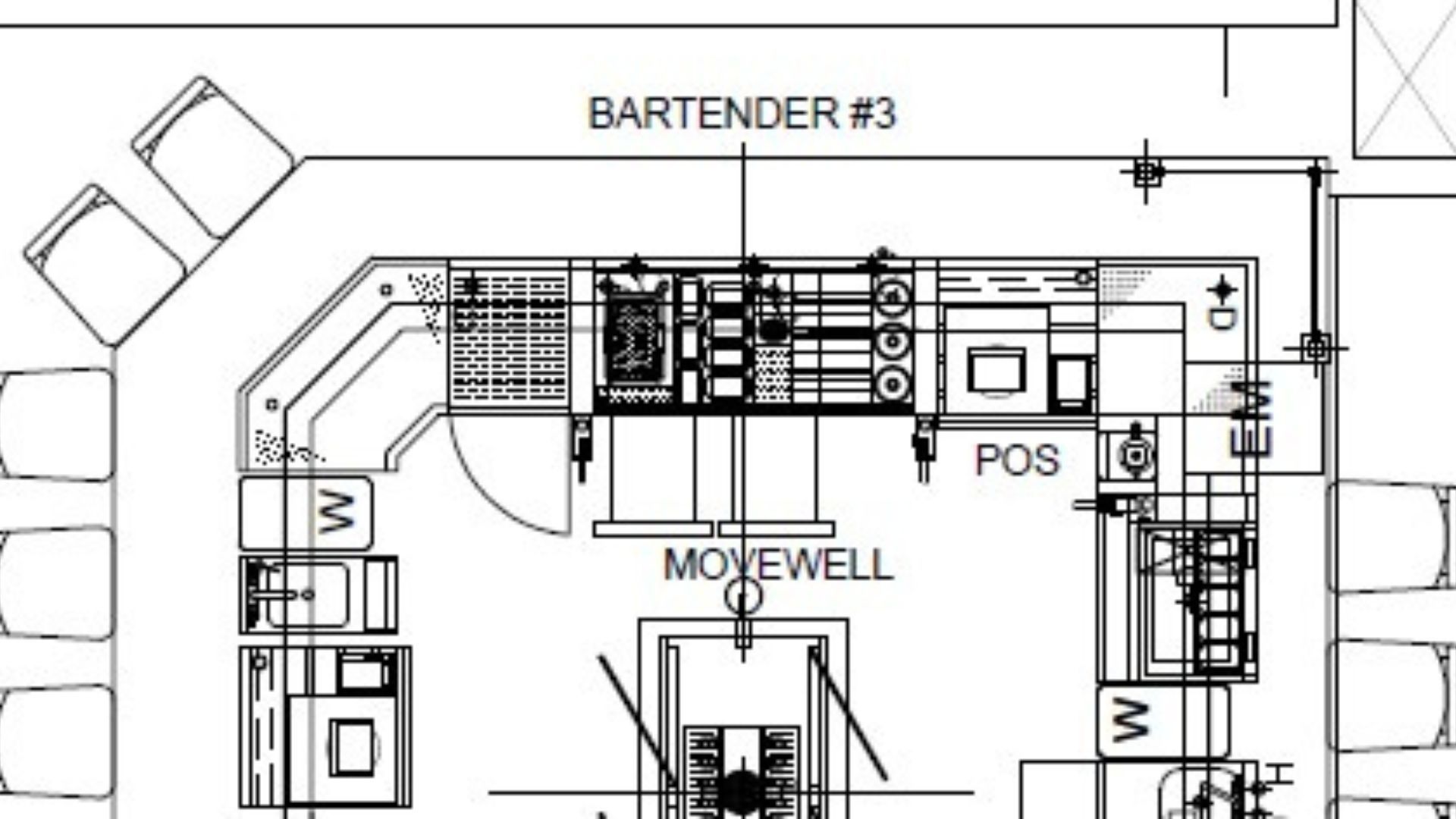
For example, I set up the third bartending station with MoveWell in the island bar shown in Figures 3 and 4 (above) for both conditions. But wait – it gets better! MoveWell also offers two low-profile, pull-out refrigerated drawers, as shown Figure 5, below!_x000D_
_x000D_
_x000D_ FIGURE 5. PHOTO OF MOVEWELL BAR STATION WITH PULL-OUT REFRIGERATED DRAWERS
_x000D_
_x000D_
_x000D_
_x000D_
_x000D_
_x000D_
MoveWell – the Perfect Solution for Left-Handed Bartenders!
_x000D_
Let’s face it: the world is designed for right-handers, and this is also true with bar stations. Unless special provisions are made during planning, bartender stations are traditionally designed for right-handed bartenders. Fortunately, with MoveWell, the insert modules are easily reversible – a truly adaptive bar station!
You’ll notice in Figures 3 and 4 (above) that I designed the bartender station with a soda gun on the left (the standard method) and the right (for left-handed bartenders). In fact, this is how I design bars with MoveWell bar stations – adding a second soda gun only requires an additional four inches._x000D_
_x000D_
Learn how architecture, engineering, and construction firms hire remote professionals, choose nearshore or offshore talent, and keep control of the work.

 _x000D_
 _x000D_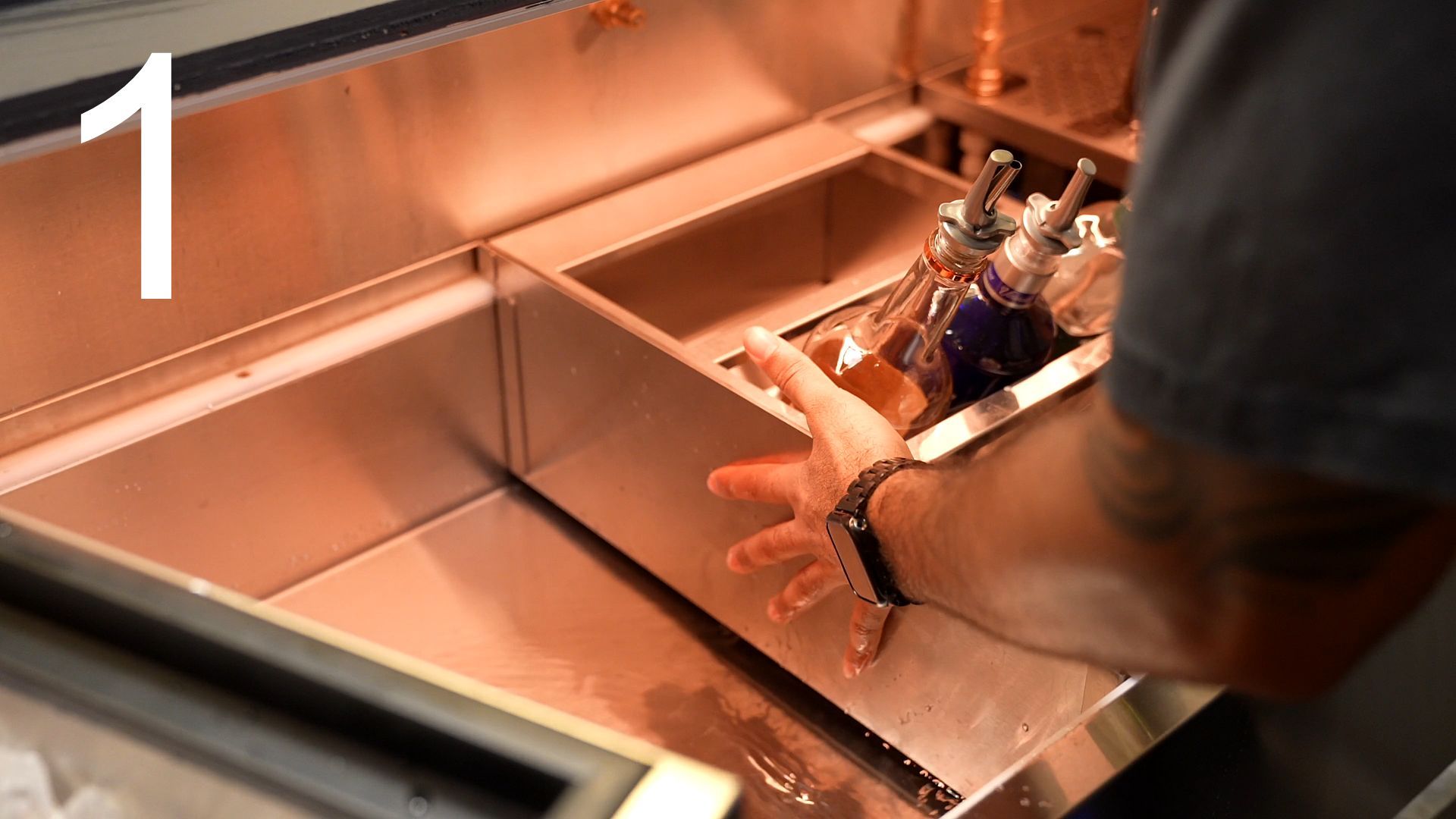
 _x000D_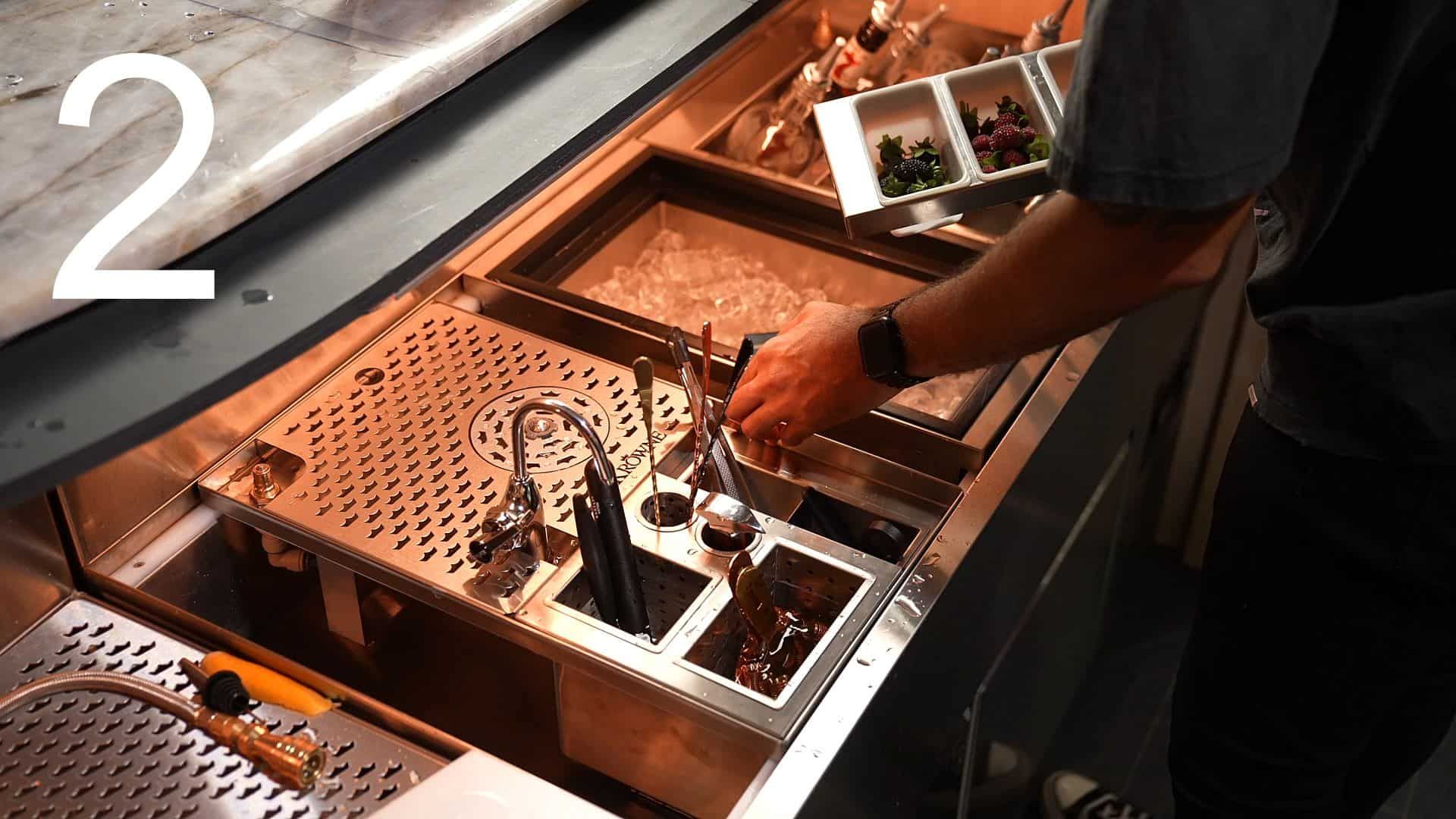
 _x000D_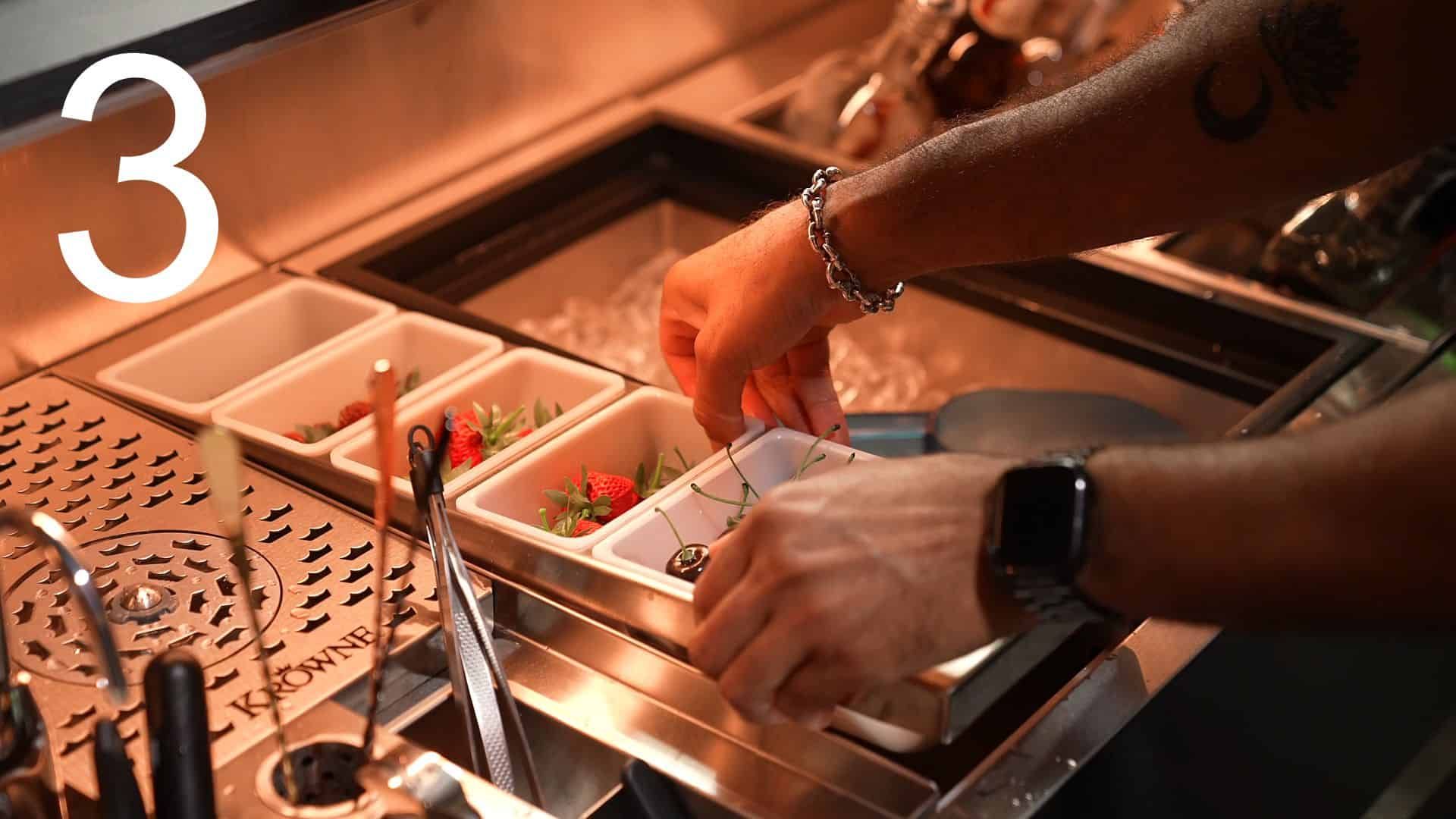

 _x000D_
 _x000D_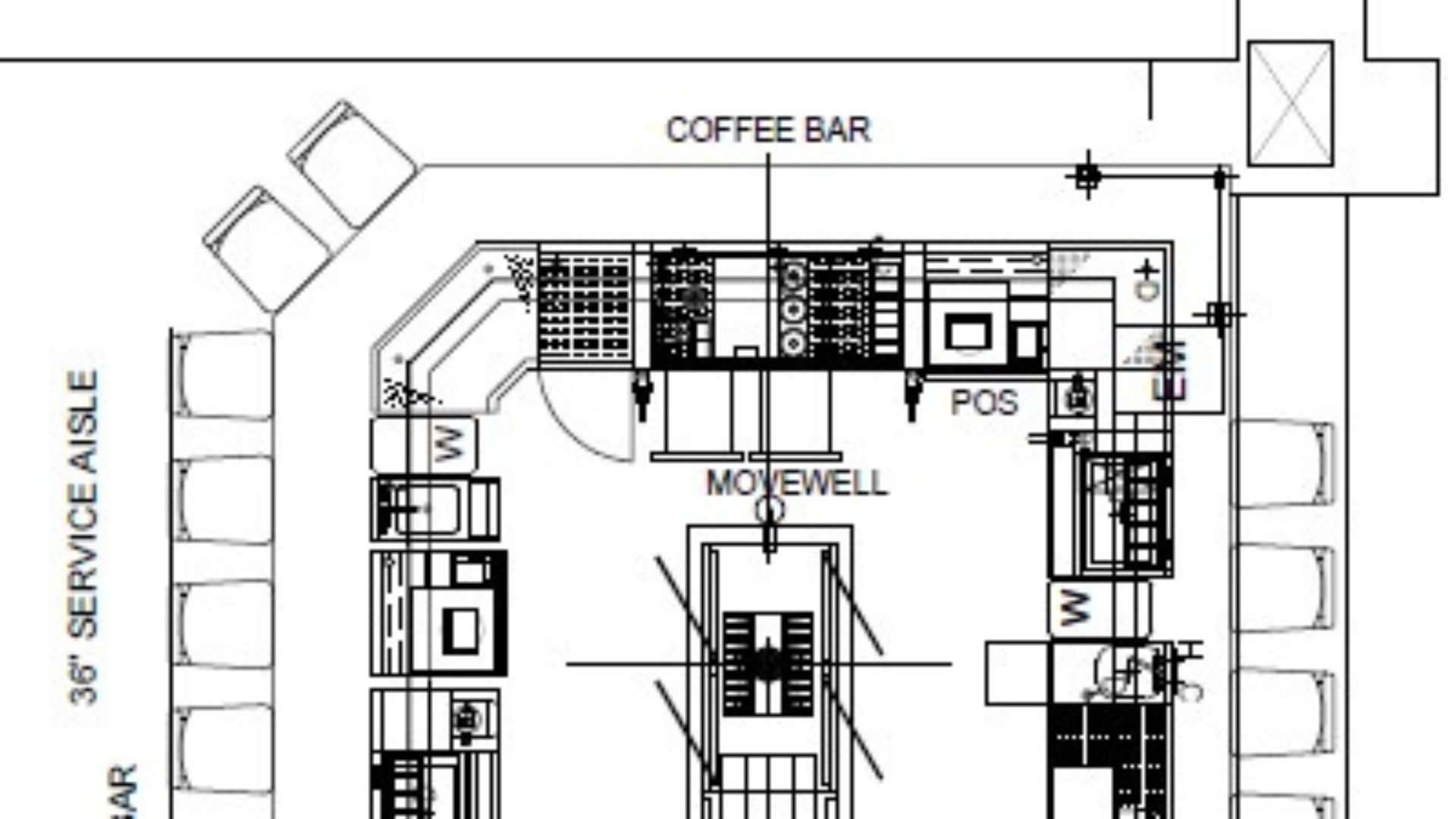
 _x000D_