An upstart bar equipment company known as Eurobar has been making a lot of noise lately. I’ve never had so many colleagues ask me about a new line of equipment. Over the past two years I’ve been specifying Krowne’s bar equipment – because I think it’s the best. With the emergence of Eurobar, I feel obligated to give my professional opinion about how they compare. Today, it’s Eurobar vs. Krowne and I have some shocking news! For those who don’t know me, welcome! My name is Rick Uzubell and I’m a professional bar designer. I’ve been in this professional practice since 2006 and have worked for some incredible clients. Many changes occur over time and despite this, my top priority has been to make prudent recommendations – a fiduciary of sorts. A few significant changes have transpired since the pandemic, and this is the inspiration of this article.
_x000D_
_x000D_
_x000D_
_x000D_
_x000D_
_x000D_
_x000D_
_x000D_
_x000D_
_x000D_
_x000D_
_x000D_
_x000D_
THE KROWNE MODULAR BAR DIE SOLVES THE BIGGEST PROBLEM IN BAR CONSTRUCTION
_x000D_
Whenever I discuss bar equipment with a new client, I always begin with this question – ‘What’s the biggest problem in construction today?’ Skilled labor. Clients are always at a loss when finding qualified contractors. This is a common problem across the U.S. According to PRT Staffing, “…in 2022 there were 650,000 open jobs in the construction industry. Builders have more trouble finding carpenters than roofers, electricians, or just about anything else, and by a wide margin.”
_x000D_
_x000D_
THE PROBLEM IS ONLY GOING TO GET WORSE
_x000D_
Folks, this problem is only going to get worse. So good luck if you’re planning on stick-building your bar. To date, the only solution I’ve been able to stand behind is the modular bar die by Krowne. Why? Because the Krowne modular bar die (KMB) will make your life much easier! How so? Because the Krowne KMB is manufactured in a factory and shipped to you in prebuilt sections up to seven feet in length. Well then, what about Eurobar? Stay tuned…
_x000D_
_x000D_
_x000D_
_x000D_
_x000D_
_x000D_
_x000D_
_x000D_
_x000D_
_x000D_
_x000D_
_x000D_
IN THE RESTAURANT AND BAR INDUSTRY TIME IS MONEY
_x000D_
Because the Krowne KMB is factory-built with close tolerances, your bar can be set and fastened to the floor in a matter of hours, with the highest accuracy – and by people with no bar-building experience! Consider this:
_x000D_
With the Krowne KMB, contractors not only don’t have to build the bar base, they also avoid the misery of having to locate and set each piece of equipment and bolting them together!
_x000D_
_x000D_
_x000D_
_x000D_
_x000D_
_x000D_
_x000D_ FIGURE 1. BAR EQUIPMENT PLAN FOR 30' DIAMETER BAR
_x000D_
_x000D_
_x000D_
_x000D_
_x000D_
_x000D_
EUROBAR vs Krowne: KROWNE’S KMB ELIMINATES THE CONFUSION FROM BAR CONSTRUCTION!
_x000D_
Figure 1 (above) depicts a bar equipment layout for a 30′ diameter bar. The underbar has a total of 66 pieces of stainless equipment – including 32 angle fillers (five different sizes). If someone wanted to stick-build this bar, even a veteran would be heavily challenged. Does anyone realize that many bar equipment components look so similar?!
_x000D_
_x000D_
BAR EQUIPMENT IS VERY CONFUSING
_x000D_
Let’s be honest. Bar equipment is very confusing to most people. Many pieces are built in 6” increments and bars frequently have custom components that are difficult to differentiate. With standard bar equipment, it could take weeks to build this bar and set all the equipment – and there will probably be mistakes. Just imagine how tedious and time-consuming it would be to build a bar such as this – especially for those who’ve never done it before. Some contractors may not even realize that they have a damaged or missing component for a week! And with today’s labor shortage, the contractor might even walk off the job! Ironically, with the Krowne KMB, this entire bar base and all its equipment could be located, leveled and set in one-two days!
How does Eurobar compare? Please give me a few more minutes.
_x000D_
_x000D_
_x000D_
_x000D_
_x000D_
_x000D_
_x000D_
_x000D_
HOW MANY TYPES OF COMMERCIAL UNDERBAR SYSTEMS ARE AVAILABLE?
_x000D_
Let me clear the air. For all the equipment on the market, there’s only two classes. Sure, there are multitudes of individual components, and as I’m about to demonstrate, it all boils down to whether the equipment has self-supporting legs – does the equipment have legs or doesn’t it? That’s the simple explanation.
_x000D_
_x000D_
_x000D_
_x000D_
_x000D_
UNDERBAR EQUIPMENT SUPPORTED BY LEGS
_x000D_
The entire underbar equipment industry was originally built on legs (refer to Figure 2, above), and the mechanicals were (and still are) installed directly beneath. Eurobar, a newcomer to the market calls their equipment “modular bar equipment” and has everyone convinced that it’s something different and…ahem…better. In spite of the marketing gimmicks going on out there lately, all bar equipment that’s built on legs is “modular”. Like all other traditional equipment, it’s available in 6” incremental lengths.
_x000D_
_x000D_
SO WHAT’S THE POINT BEHIND EUROBAR CALLING THEIR BAR EQUIPMENT “MODULAR”? EVERYONE’S BAR EQUIPMENT IS MODULAR!
_x000D_
Referring to an old concept by a new name is misleading! To me, it’s a marketing gimmick. The only thing different about Eurobar’s “modular bar equipment” is that each component is manufactured with a cutout (chase) on the back side so the mechanicals can be hidden (refer to Figure 3, above). More about that later.
_x000D_
But let’s understand one thing: all stainless steel underbar equipment built on legs is required to be installed directly adjacent to a short wall (known as the bar base), which supports the bar top. The bar base is commonly built on-site and can be constructed from either wood or metal studs.
_x000D_
_x000D_
_x000D_
_x000D_
_x000D_
_x000D_
_x000D_
SOME HAVE TOLD ME THAT THEY CAN REARRANGE EUROBAR’S EQUIPMENT
_x000D_
Anyone who thinks that they’re going to move their bar equipment around once it’s set in place is dreaming. I’ve been professionally designing bars since 2006 and in all my years, nobody – I mean nobody – has ever expressed an interest in moving their bar equipment once it has been set. If Eurobar’s marketing pitch is about the flexibility of moving it after it has been set, I don’t believe any bar or restaurant owner would ever really want to do that. As I’m about to demonstrate, I don’t think it would be an easy task.
_x000D_
_x000D_
_x000D_
_x000D_
_x000D_
_x000D_
_x000D_
_x000D_ FIGURE 4. THE KROWNE MODULAR BAR DIE SYSTEM IS FACTORY-BUILT
_x000D_
_x000D_
_x000D_
_x000D_
_x000D_
_x000D_
_x000D_
_x000D_
Krowne’S MODULAR BAR DIE: UNDERBAR EQUIPMENT SUPPORTED BY A WALL
_x000D_
As I mentioned earlier, the other style of stainless steel underbar equipment is offered without self-support legs, as shown in Figure 4, above. This equipment is known as the “modular bar die”. The modular bar die is manufactured in a factory where various equipment configurations are welded to a wall (bar base) consisting of specialized metal studs.
_x000D_
_x000D_
FAST AND ACCURATE INSTALATIONS WITH KROWNE’S LONG MODULAR BAR DIE SECTIONS!
_x000D_
Each bar equipment layout consists of modular bar die assemblies up to 7’ in length. The completed assemblies contain several pieces of bar equipment. My hands-down favorite modular bar die is the KMB manufactured by Krowne. Because of the inherent length of the modular bar die, many bars designed with the Krowne KMB are delivered to the customer in just several pieces. And because the equipment doesn’t require legs and the mechanicals are installed within the bar base itself, housekeeping is a breeze with the Krowne KMB! The KMB has numerous intrinsic benefits, which I’ll discuss later in this article.
FIGURE 5. NARROW ISLAND BAR WITH KROWNE MODULAR BAR DIE
_x000D_
_x000D_
_x000D_
_x000D_
FIGURE 6. PRE-ENGINEERED WAINSCOT PANELS FOR KROWNE MODULAR BAR DIE
_x000D_
_x000D_
_x000D_
_x000D_
_x000D_
_x000D_
_x000D_
_x000D_
_x000D_
_x000D_
THE INSTANT BAR – WHY THE KROWNE MODULAR BAR DIE WILL SAVE YOU TIME AND MONEY!
_x000D_
Let’s say that you’re planning to build a new 30’ long island bar. How would you like your new bar to be installed before lunch and with minimal disruption? Consider the bar shown in Figure 5 (above). Krowne will ship this 30’ bar will in eight pieces – it can be set in-place, leveled and anchored before lunch! On the other hand, the same bar with Eurobar requires 20 pieces of underbar stainless equipment! Obviously, we aren’t quite done yet, but with the Krowne KMB, there’s only a couple more steps:
_x000D_
_x000D_
_x000D_
_x000D_
_x000D_
_x000D_
_x000D_
_x000D_
_x000D_
The bar top is very simple, and it could be installed before the end of the first day.
_x000D_
As mentioned earlier, because the Krowne KMB is loaded with all those wonderful mechanical chases, the electrical and plumbing is commonly installed in as little as two days.
_x000D_
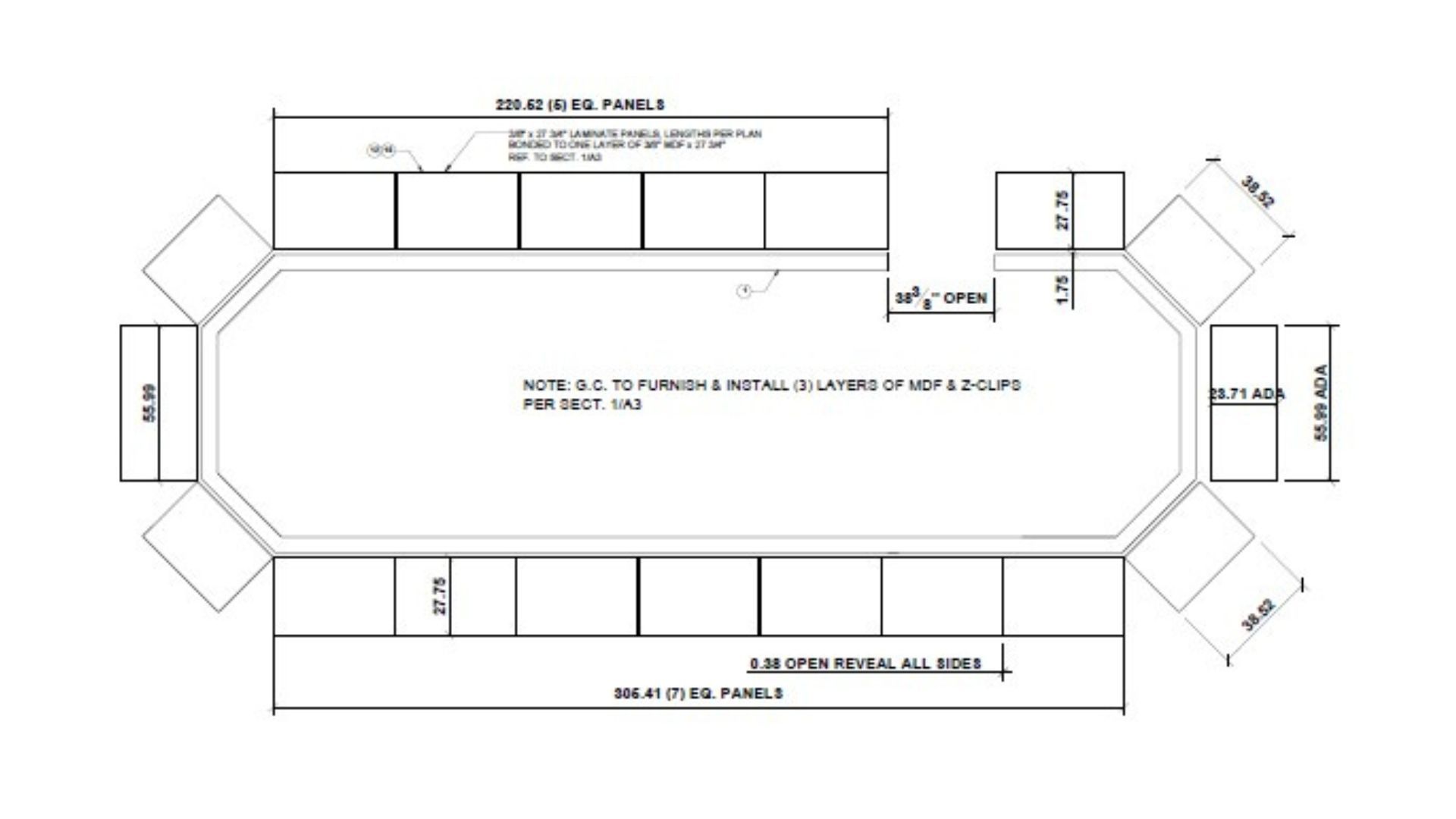
The wainscot (refer to Figure 6, above) is normally outsourced to a millwork shop, and is commonly installed in one day.
_x000D_
_x000D_
_x000D_
_x000D_
_x000D_
_x000D_
_x000D_
_x000D_
CAN BAR AND RESTAURANT OWNERS AFFORD TO LOSE THREE WEEKS OF DOWNTIME?
_x000D_
As we all know, time is money. Long construction projects will kill your business! Consider this:
_x000D_
The reality is that a 25′ long bar requires two-three weeks to build. It takes at least one week just to build a conventional bar base and set the equipment. It commonly takes one-two more weeks to wire, plumb and finish the rest of your bar. This also applies to bars using Eurobar equipment.
_x000D_
Do you think you’ll lose customers if your bar or restaurant is down for three weeks? What if you have to layoff employees?
Learn how architecture, engineering, and construction firms hire remote professionals, choose nearshore or offshore talent, and keep control of the work.

 _x000D_
 _x000D_

 _x000D_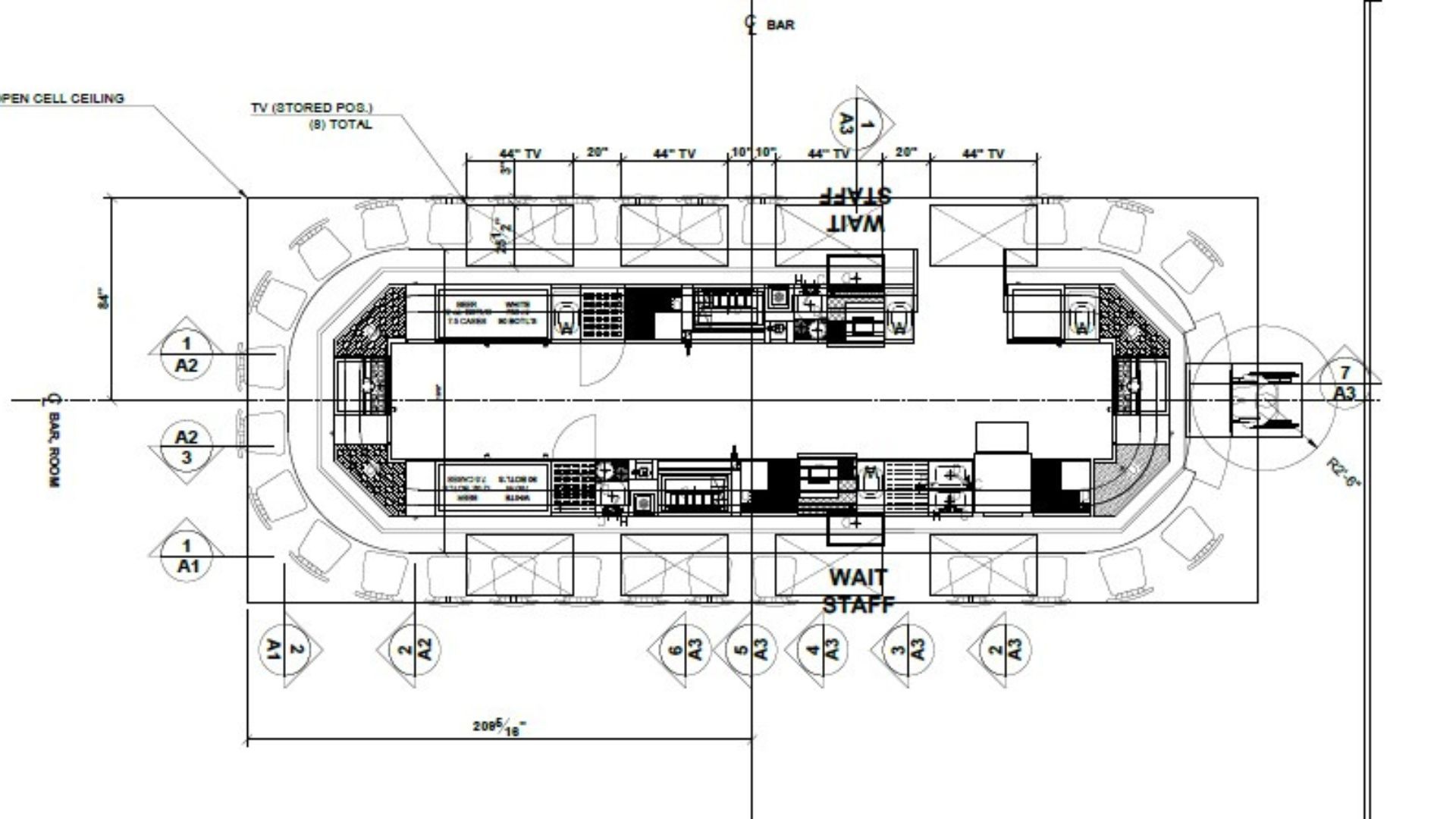
 _x000D_